Cart 0

BOTSWANA

9 - 20 May 2028

12 DAY WILDLIFE PHOTOGRAPHY WORKSHOP


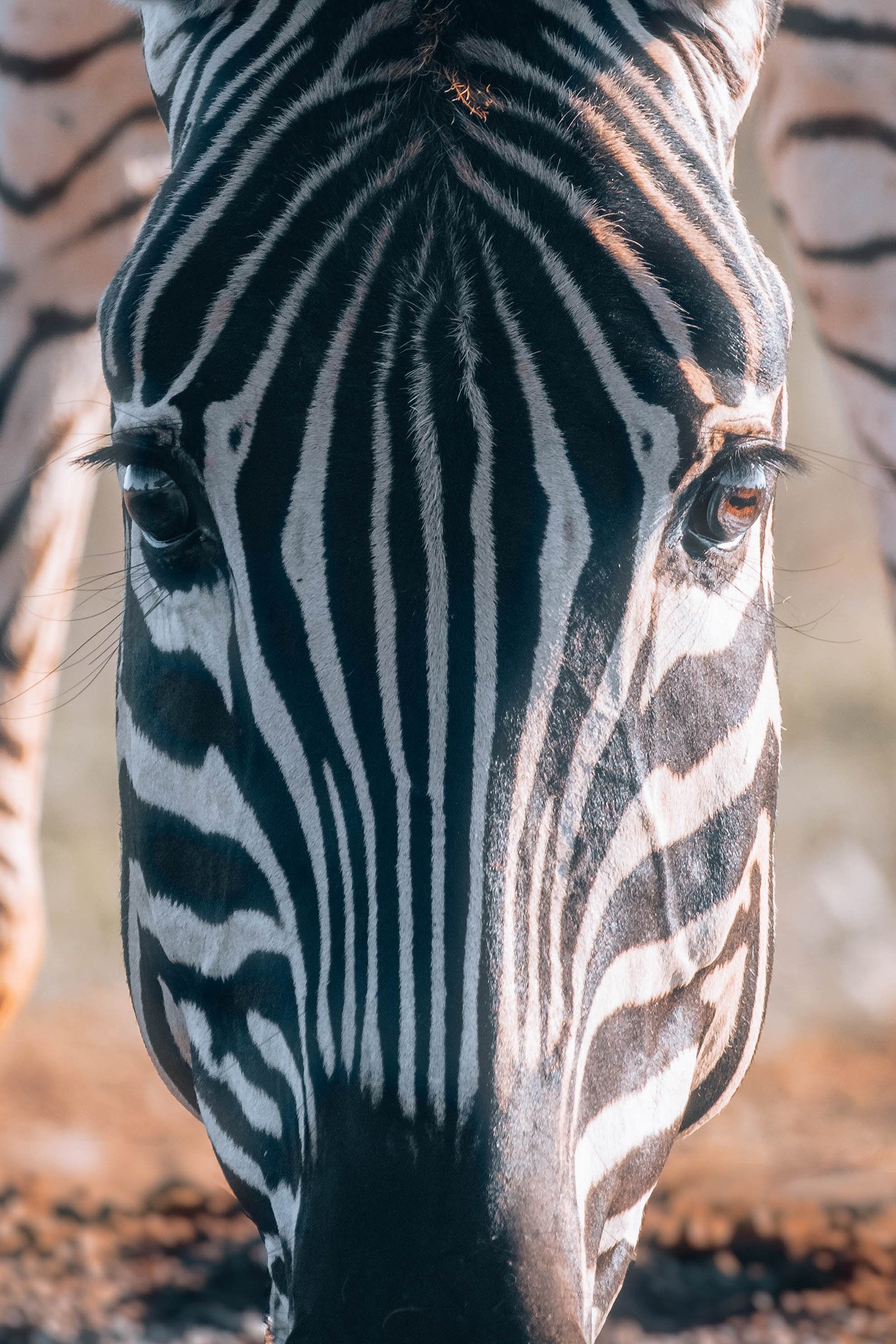
Botswana is widely regarded as the world's top wildlife photography destination. Thanks to vast expanses of pristine African bush and an incredible variety and density of wildlife. Combined with a forward thinking government which prioritised conservation and low-impact, high-value tourism decades ago, it is now the ultimate destination for photographing African wildlife.

Join us for this exciting new 11-night itinerary that combines two of Botswana's ultimate photo-destinations; the okavango delta and mashatu. The okavango is renowned as one of the best places on the planet to see animals in their natural habitats, a thriving wetland with an incredibly dense concentration of anmimals. Mashatu is a massive 80,000 acre private reserve teeming with everything from Leopard and Elephants to rare predators, grazing species and birds.
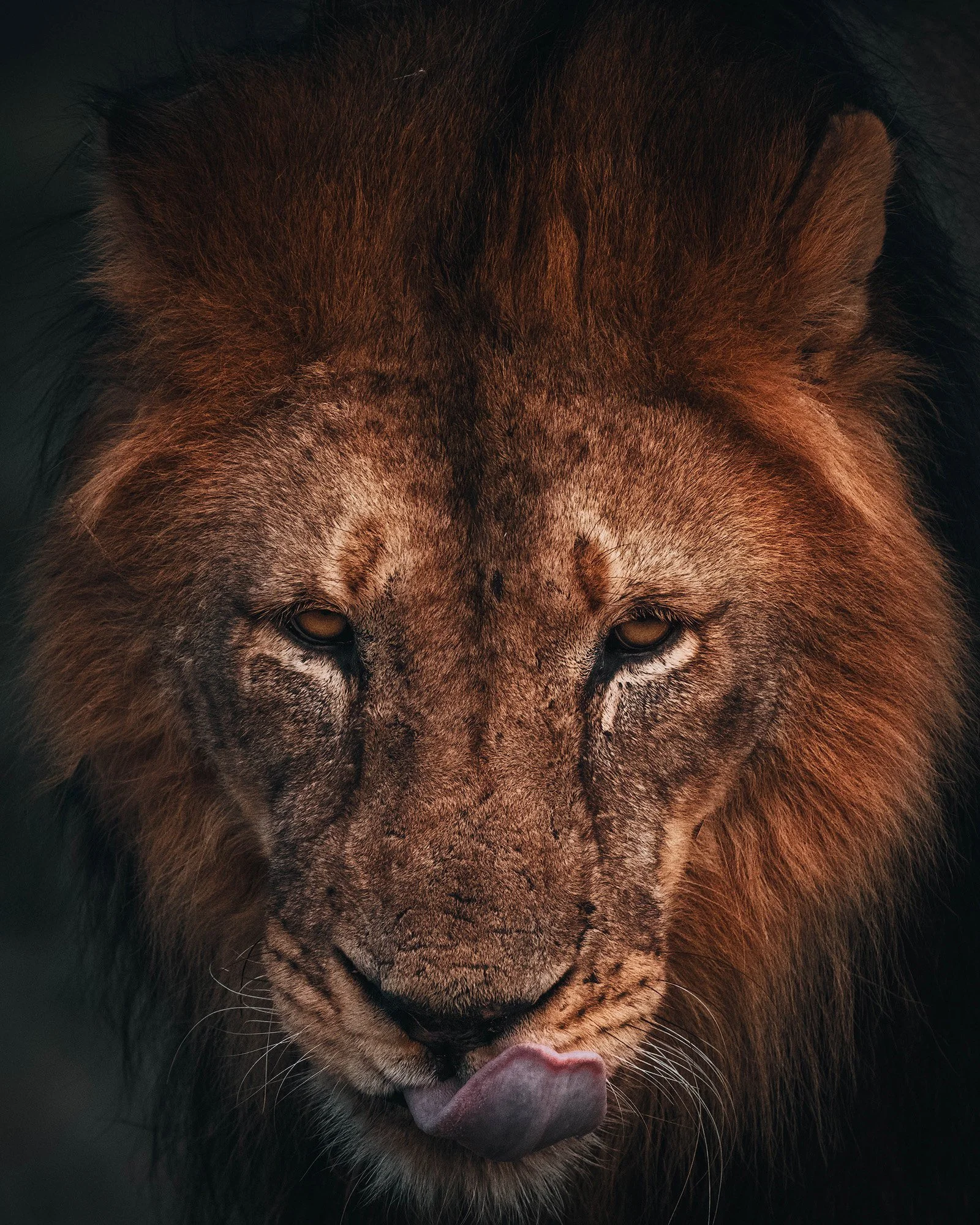
We’ve visited Botswana before and it was by far the most photographically productive wildlife experience we’ve ever had. For this tour we’ve added the Okavango Delta to the already wonderful Mashatu to create an incredibly complete wildlife photography tour which we believe combines the absolute best that Africa has to offer.

We will be taking 11 participants with 3 guides - Andy Mumford, Hougaard Malan and renowned African wildlife photographer Shem Compian, which allows us to split all shooting into three groups of four, each with a guide. This guarantees small groups that get lots of 1-on-1 attention from the guides, plenty of space in each vehicle to shoot unobstructed from, and also flexibility to tailor everything we do to different needs/desires on what to shoot.

In the Okavango Delta we’ll have an entire lodge booked out exclusively for our group in the Khwai Private Reserve. This gives us complete freedom to choose how we spend our time, and while we’re here we’ll do at least one session in a mokoro, a wooden dug out canoe which will take us across the waters, as well as regular morning and afternoon drives. There’ll also be an option to do a doors-off helicopter flight to capture unique aerial perspectives of the animals as they walk through the wetlands.

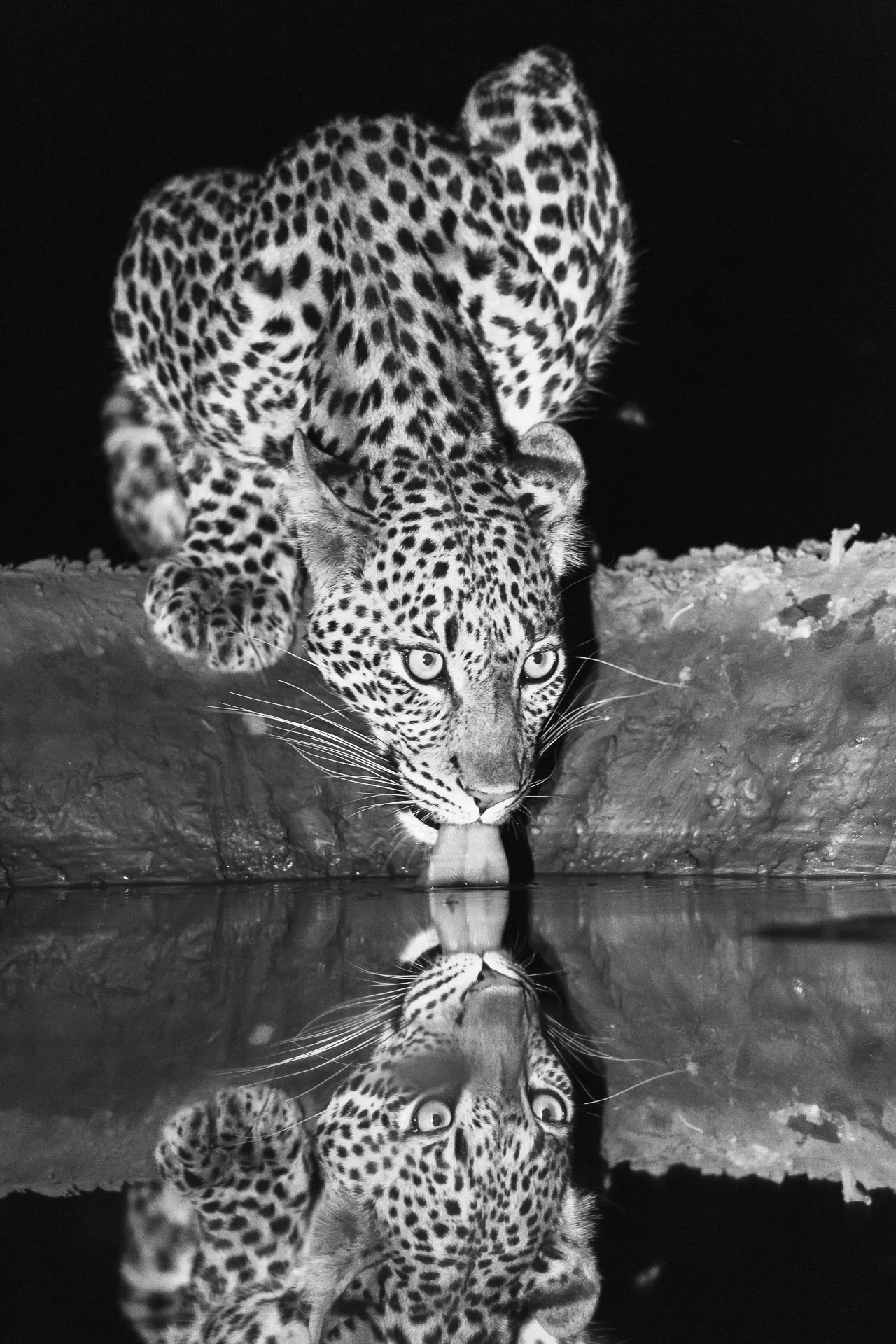
Mashatu is also a private reserve and while there, we’ll have four private vehicles allowing each guest to get their own row in the vehicle and photograph on both sides. This also means that on each drive you can choose which animal you want to go looking for; elephant, leopard or birds, etc and then we can split the group up according to those wishes. We’ll also have access to Lala Limpopo Hide, Mashatu's fully fitted-out flagship photography hide where guests will get to spend the night and capture the animals as they come to the waterhole to drink.

A strong focus on all our workshops is on the quality of experience. Our tours are designed to ensure that you can focus on photography while we take care of everything else. On this tour we stay in some of Botswana’s most beautiful safari lodges, where the food and the stay add another level to the photographic experience, But of course you come for the photography, and so the tour is structured to maximize your opportunities to get great images whilst improving your skills as a photographer. We work with the best local guides who’ve lived and worked in these parks and reserves all their lives, and not only have an incredible depth of knowledge of the place, but also are used to working with photographers, and so understand how to place the vehicles to ensure you get the best shots. We want you to go home having had the best experience possible, created memories that you’ll keep forever, and of course captured images that you’ll be proud of for years and years to come.
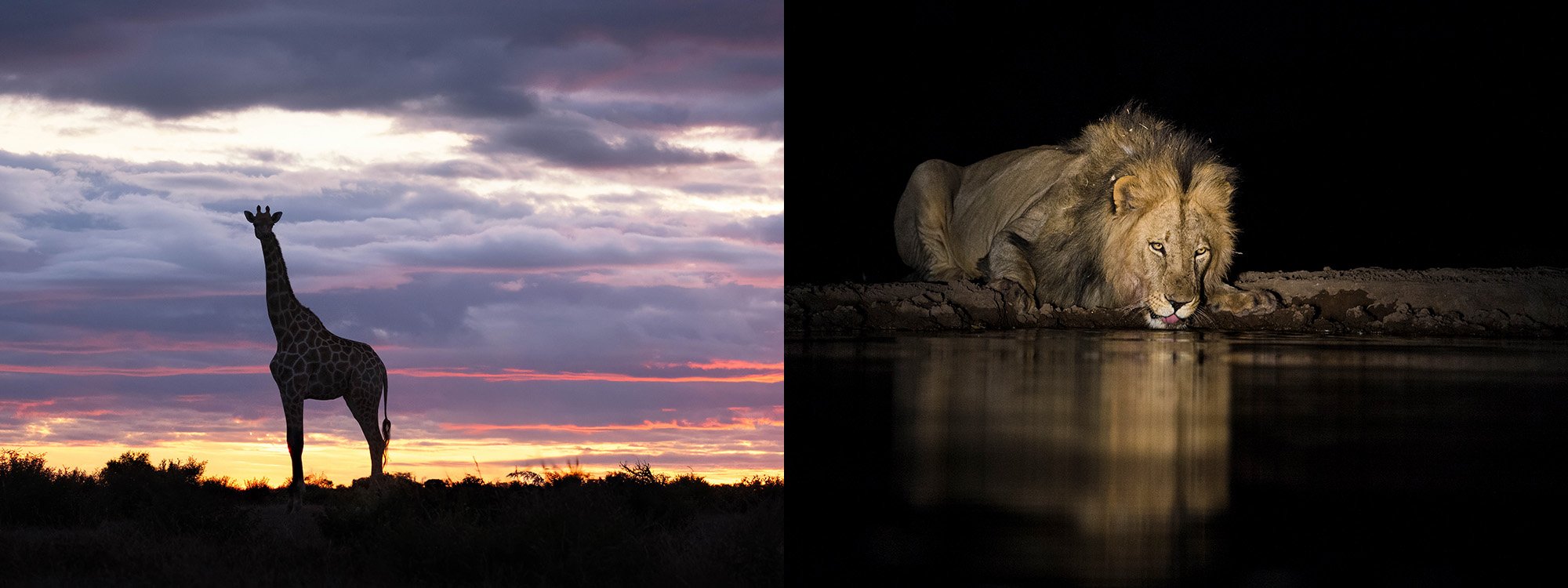
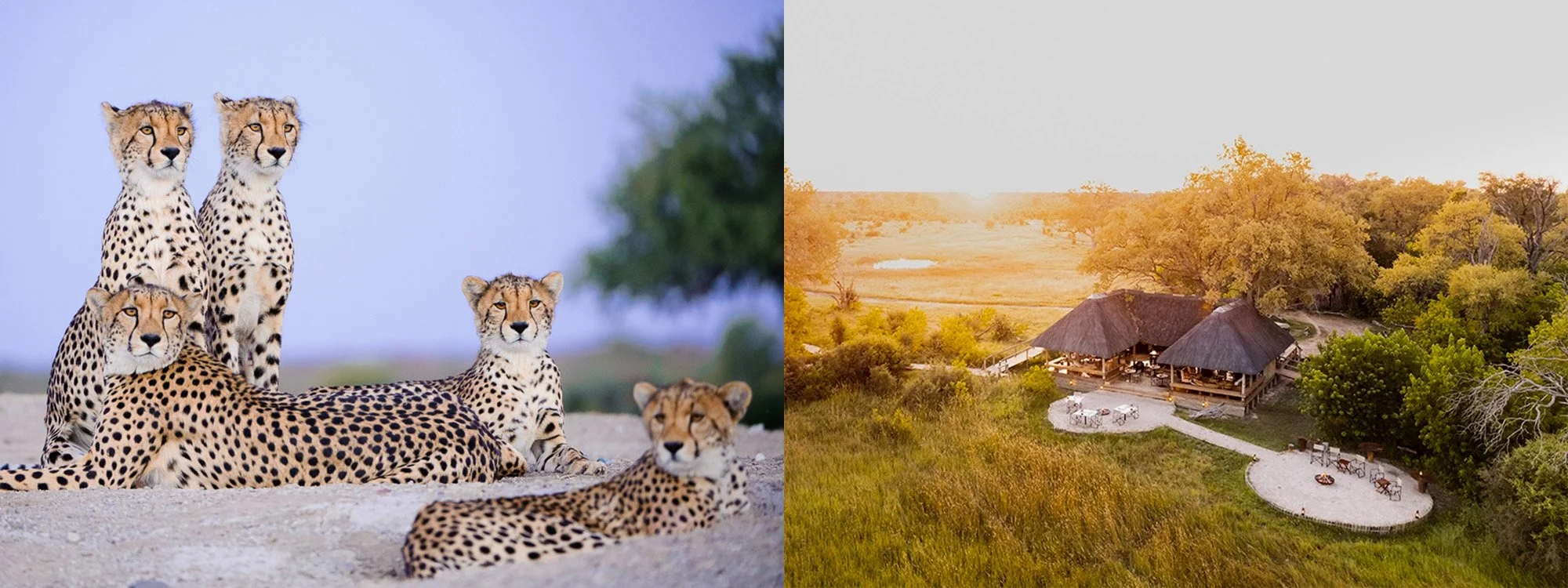


 PRICE    

$19,900 Price per person for sharing a room throughout the tour. This is limited to 4 people and dependent on there being someone else also willing to share.

$23,500 Partial Single room

On this tour we also offer partial single supplement. Little Sable in the Okavango Delta is a relatively small and exclusive lodge with only 8 cabins. However 2 of those cabins are are large family cabins which have 2 private bedrooms with ensuite bathrooms. This means you essentially have a shared living area, but your own private room and bathroom, and so we can offer participants the opportunity to pay a slightly less expensive single supplement, where you will be sharing in this family room for the 4 nights of the tour that we are in Little Sable in the Okavango Delta, and have your own private room in all the other accommodations including Mashatu. This is limited to 4 participants.

$23,900 Full single room supplement

Due to limited accommodation at Little Sable only three full single room supplements (single room in ALL accommodations) are available.

Note, we do not put any mark up on single supplements.

GROUP SIZE

11

EXPERIENCE

Amateur, enthusiast and semi-pro photographers.  

PHYSICAL DIFFICULTY

Easy, although participants should be prepared to deal with heat

INCLUDED IN THE PRICE

Charter flights from Maun to Little Sable in the Okavango Delta (10 May) and back (14 May)

Schedule flight from Maun to JHB (14 May)

All ground-transport between Johannesberg and Mashatu (15 and 20 May)

All accommodation during the tour

All meals and all beverages (excluding premium wines and liquors)

3 x Guides (max 4:1 client:guide ratio)

Exclusive game drive vehicles with max 3 guests per vehicle

At least one shoot in the mokoro canoes

1 x night in new Lala Limpopo overnight hide in Mashatu

Unlimited access to original Mashatu Photo Hide

Continuous assistance with your photography and editing

All park permits and fees

NOT INCLUDED IN THE PRICE

Airfare to Maun at the start of the tour and from Johannesburg (South Africa)

Premium beverages and snacks

Helicopter flights in Okavango Delta

Credit Card surcharges

Travel Insurance


3 PHOTOGRAPHY GUIDES

A RATIO OF 4:1 MEANS YOU GET PLENTY OF SUPPORT

Lala limpopo hide

STAY ONE NIGHT IN MASHATU’S NEWEST PREMIERE PHOTOGRAPHY HIDE

Giraffe sunset 2.jpg

4 private vehicles at mashatu

choose which animals you go looking for

 exclusive accommOdation in the okavango delta

we have the whole lodge to ourselves

120615_SCO_6215.jpg
 

Getting to Botswana

Our tour starts in the North of Botswana in the town of Maun and ends in Johannesburg, South Africa. We are crossing from the North-West of Botswana all the way to the South-East and we have put together some driving and a charter flight to offer the simplest and fastest means of getting between destinations.

Your international flights should be booked into and out of Johannesburg, South Africa and then a one-way ticket from Johannesburg to Maun with a local airline called Airlink.  


Itinerary Breakdown

Arrival Day Maun | 9 May | 1 Night

On arrival in Maun, our team will be waiting for you at the airport and a private transfer will take us to the luxurious Thamo Telele lodge, where we'll spend our first night. After a welcome briefing on the days to come, we'll have dinner and get to bed.

Accommodation: Thamo Telele


Transfer | Maun - Okavango Delta | 10 May

After breakfast, we'll catch a chartered flight in a light aircraft which will take us out to the Okavango Delta, and then we’ll connect to Little Sable, our lodge in the area and home for the next 4 nights


Khwai Reserve, Okavango Delta | 10 - 14 May | 4 Nights

Of the natural wildlife phenomena in the world, the Okavango Delta in Botswana has to be one of the most spectacular. Every year, floodwaters drain into what would otherwise be dry Kalahari sands. These waters support a whole eco-system and attract game animals from many miles away, leading to one of the highest concentrations of large game animals in Africa. Hippopotamus wallow in the reed lined channels; water birds of all manner fly around the floodplains; herds of elephants and buffalo wade in the shallows and predators, of which there are many, are plentiful. The Okavango offers the quintessential African wildlife experience- and this trip heads straight into its depths.

Canals of deep, clear water lined with waving papyrus fronds, hippo grass, and waterlilies reveal the river “highways” of wild dogs and feeding hippos. Lions, elephant and buffalo all patrol along the shores.

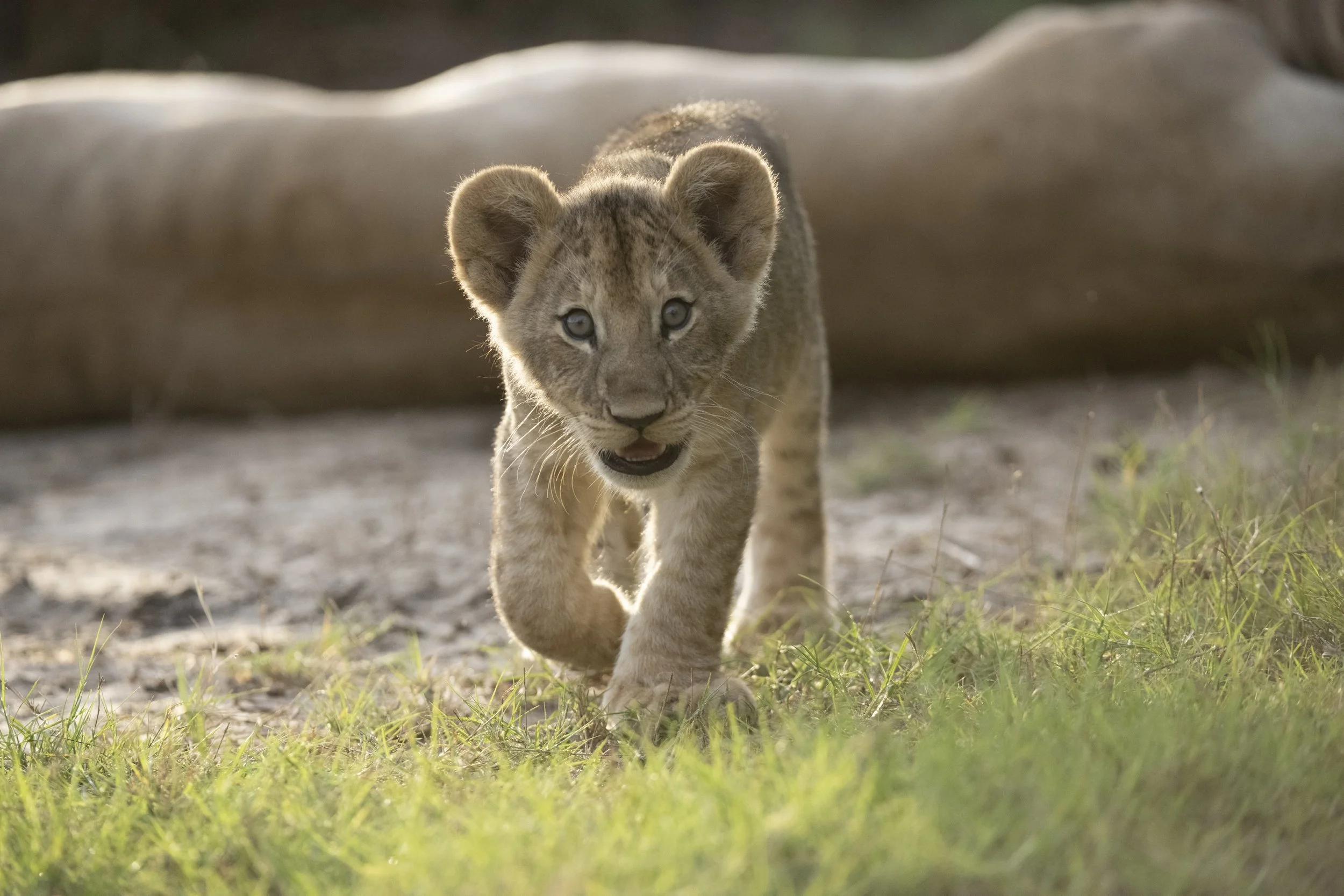
May is just after the rainy season, when the land is still green but the skies are now dry. At this cusp of the dry and the rain seasons, many predators have cubs – maximising your chance of seeing them. For many, a highlight of the Okavango is the chance to capture images of one of the last remaining stable populations of wild dogs in Africa. We will search for their hunting packs during our stay. With its abundant mammal populations, impressive variety of birdlife, and low number of tourists, the Delta offers a unique pristine wilderness wildlife photography adventure that leaves an amazing indelible impression in all who experience it. No roads nor telephone poles have ever been built through the Okavango. This is paradise found, which we plan to share with you on this safari.

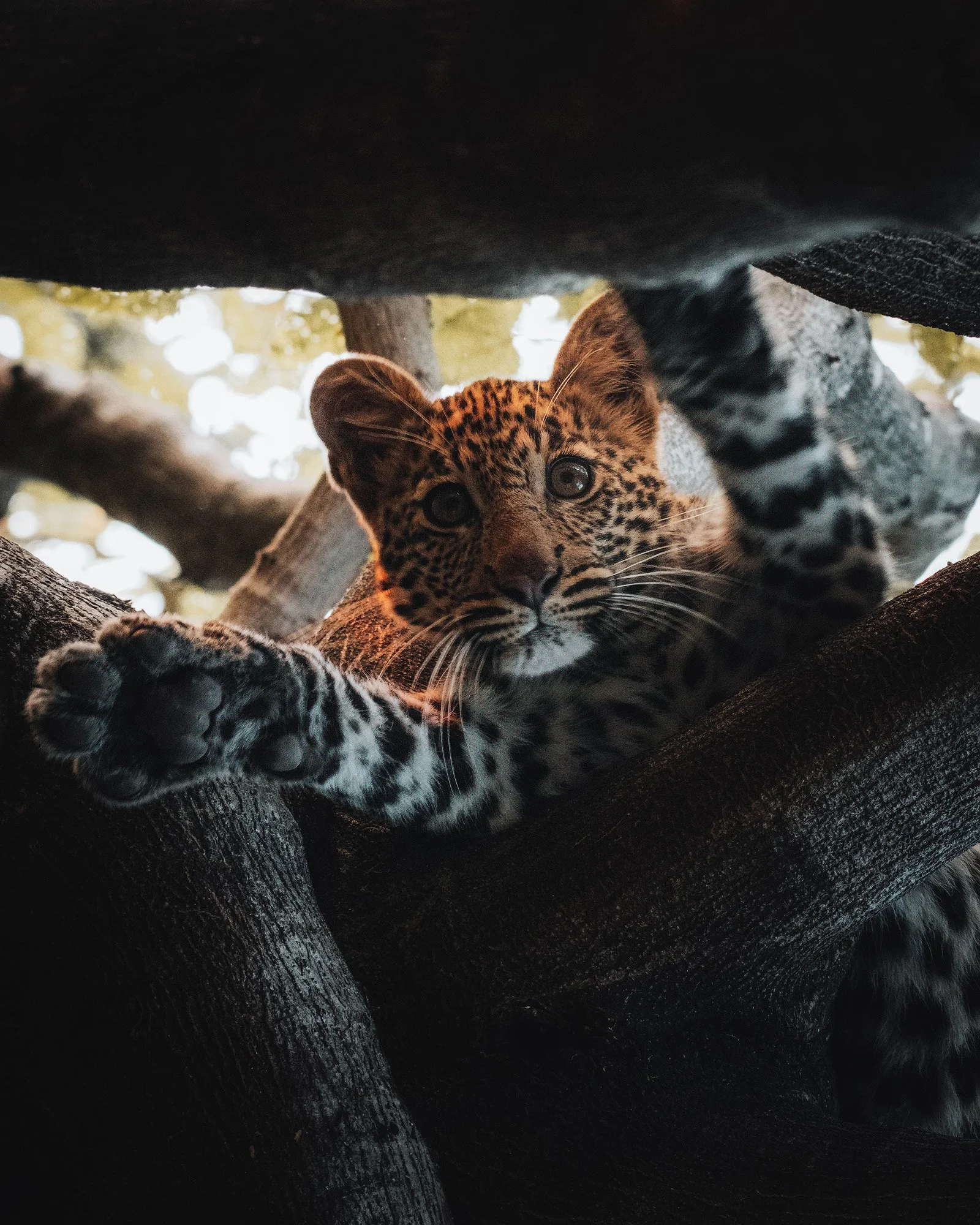
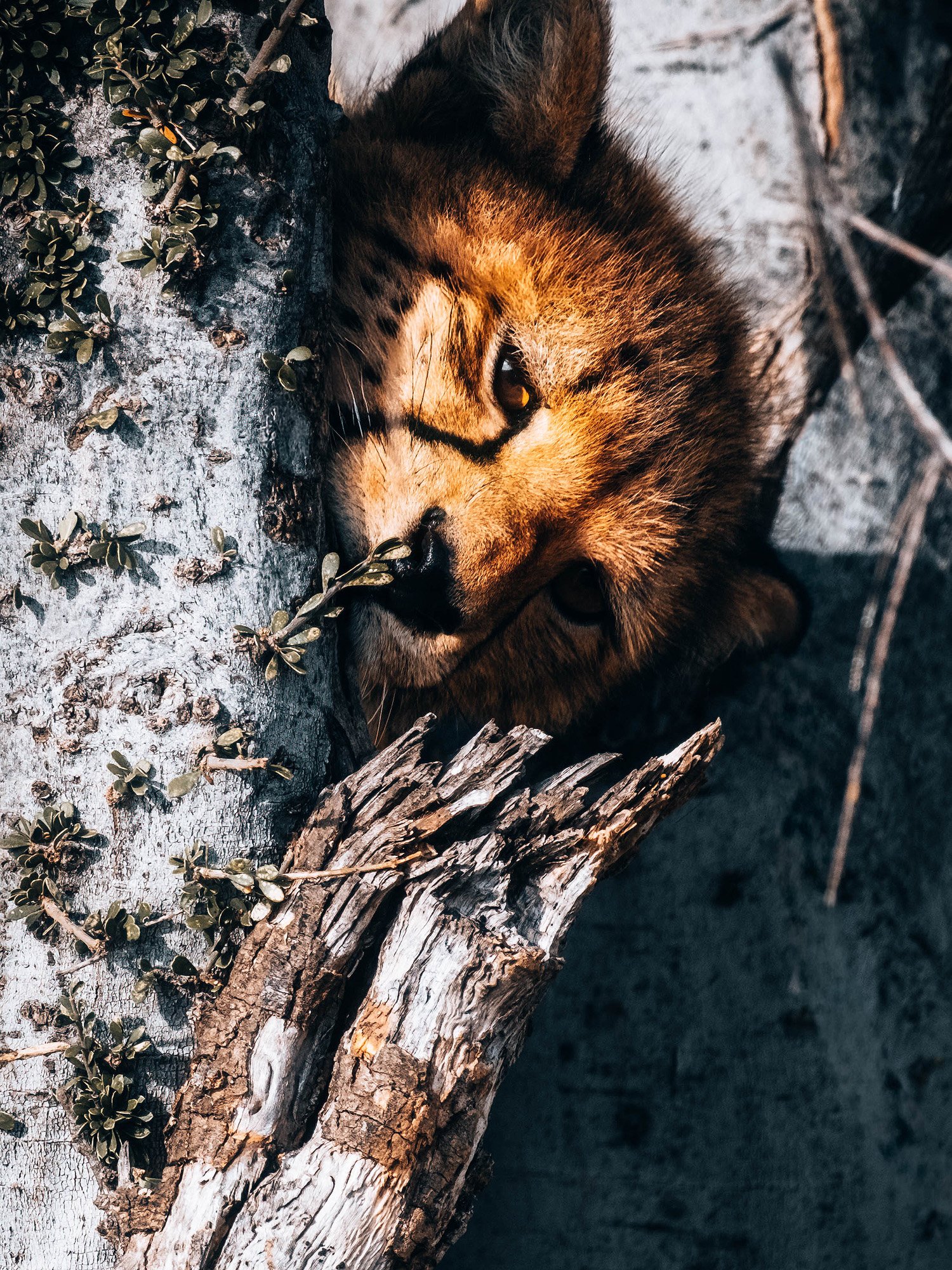
Our accommodation here is in the Khwai Private Reserve, a destination that boasts a wide variety of wildlife species, and being a private reserve means we have exclusive access to the animals and not deal with any of the crowding that can happen at sightings in National Parks. The diverse habitats we explore are home to an array of animals, including buffaloes, zebras, reedbucks, red lechwes, sable and roan antelopes, and waterbucks. The Khwai Reserve is also a haven for predators, with lions and leopards lurking in the mopane scrubland and cheetahs and highly endangered wild dogs roaming the open plains.

We’ll head out for two shoots each day, at sunrise and then afternoon going into the sunset, and while we’re here we’ll also make use of the mokoro dugout canoes for at least one session to get a perspective from the water. There will also be an opportunity to take a doors off helicopter flight above the wetlands for an incredible aerial perspective.

Accommodation: Little Sable, Khwai Private Reserve


Transfer | Okavango Delta - Maun - Johannesburg | 14 May

After a final breakfast in our lodge, we’ll head to the airfield to catch our chartered light aircraft flight back to Maun, and from there we’ll catch a short flight (included in the price) down to Johannesburg before the second half of the workshop begins. Mashatu is located on the opposite side of Botswana from the Delta, and rather than travel across the whole country on the notoriously bad roads of Botswana, it’s actually easier to catch these two flights to Johannesburg, stay there for the night, and then make the relatively short drive on South African roads to Mashatu, just inside the Botswana border, the following day.

We’ll make use of this evening though with an extended critique and editing session in our comfortable Johannesburg hotel, getting us ready for the next part of our adventure in the stunning Mashatu Private Reserve.

The following morning we’ll set out early and make the drive in comfortable vehicles to Mashatu. It’s about 6 hours, and features a wonderful border crossing to enter Botswana on the Limpopo River

Accommodation: Johannesburg Intercontinental


Mashatu | 15 - 20 May | 5 Nights

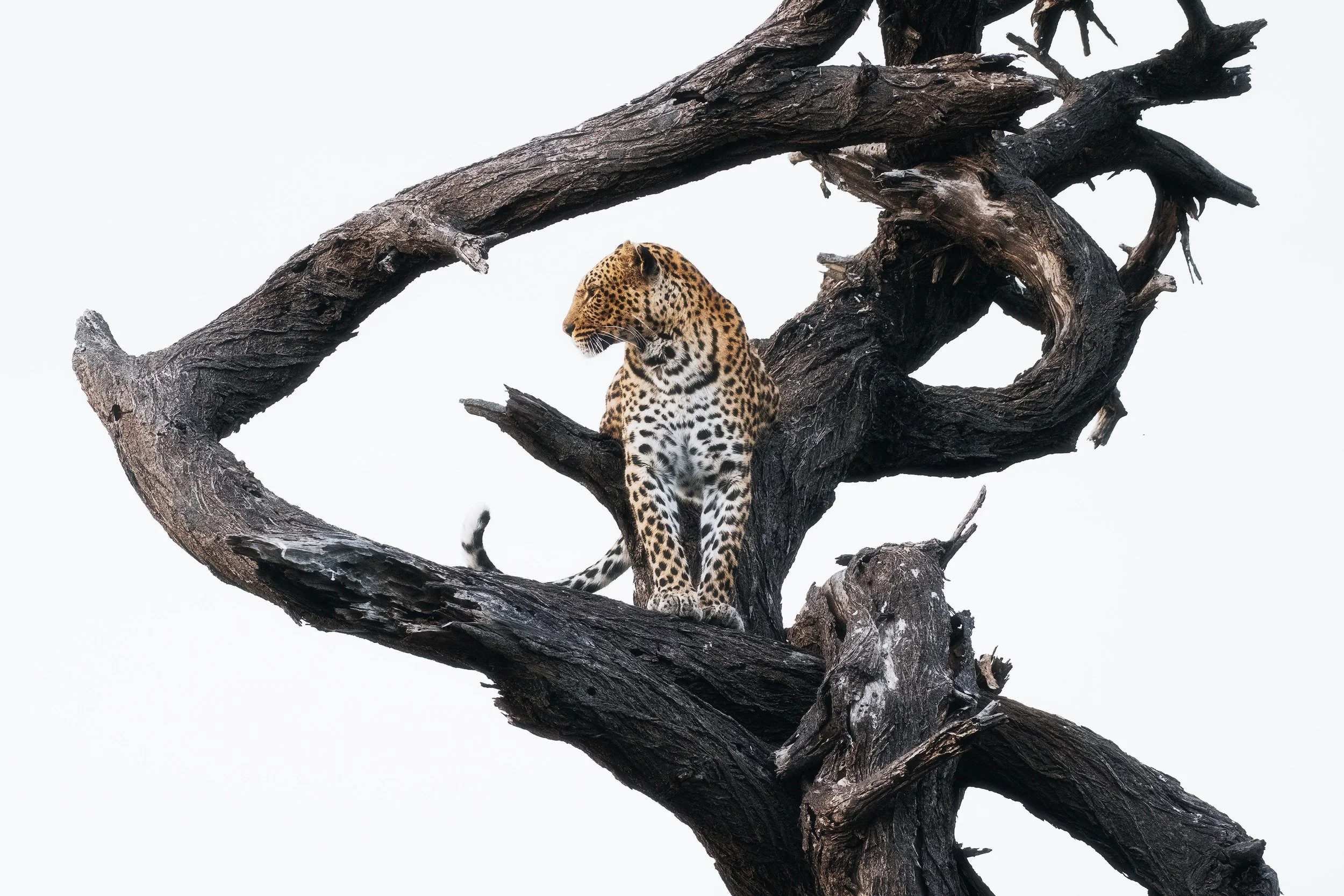
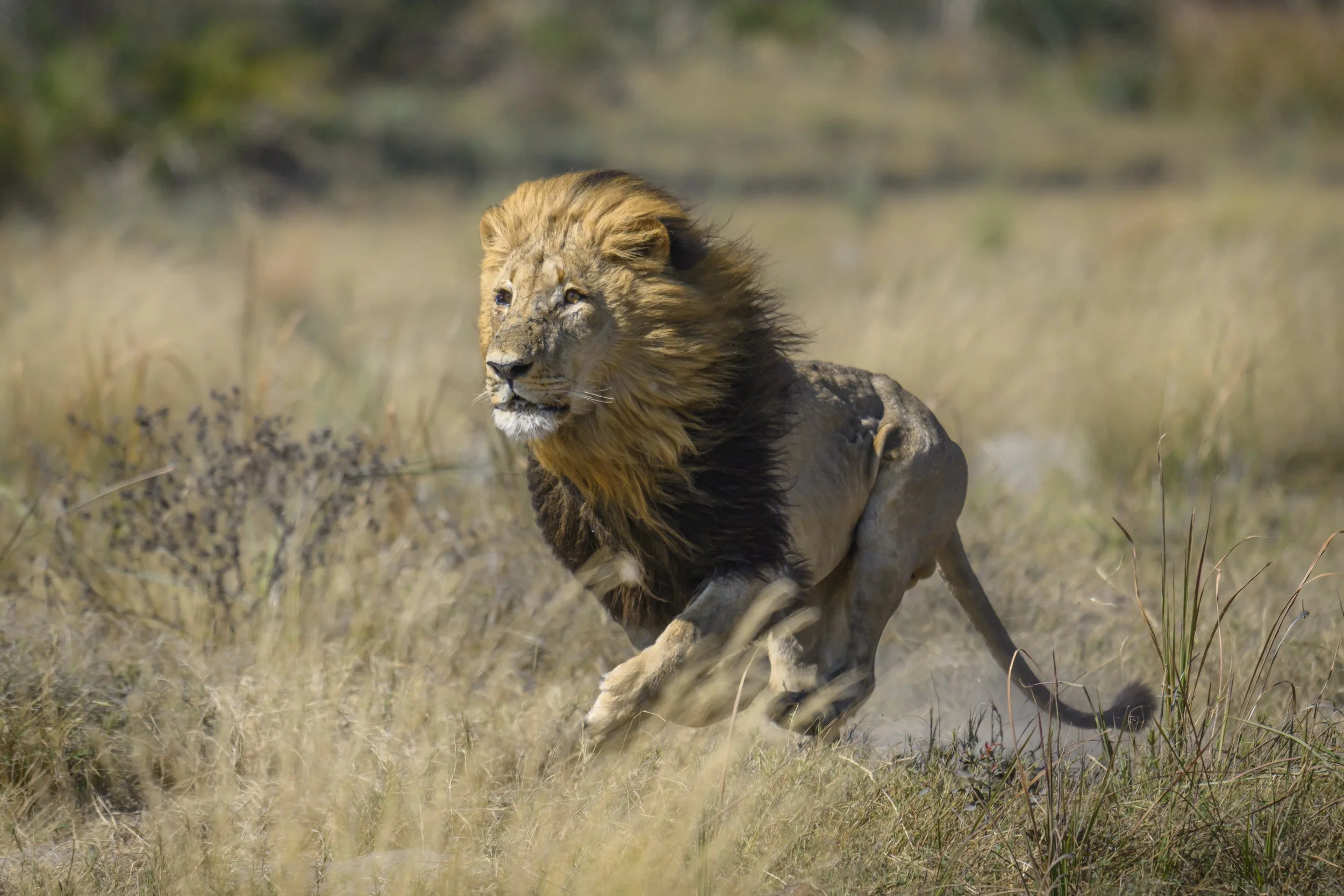
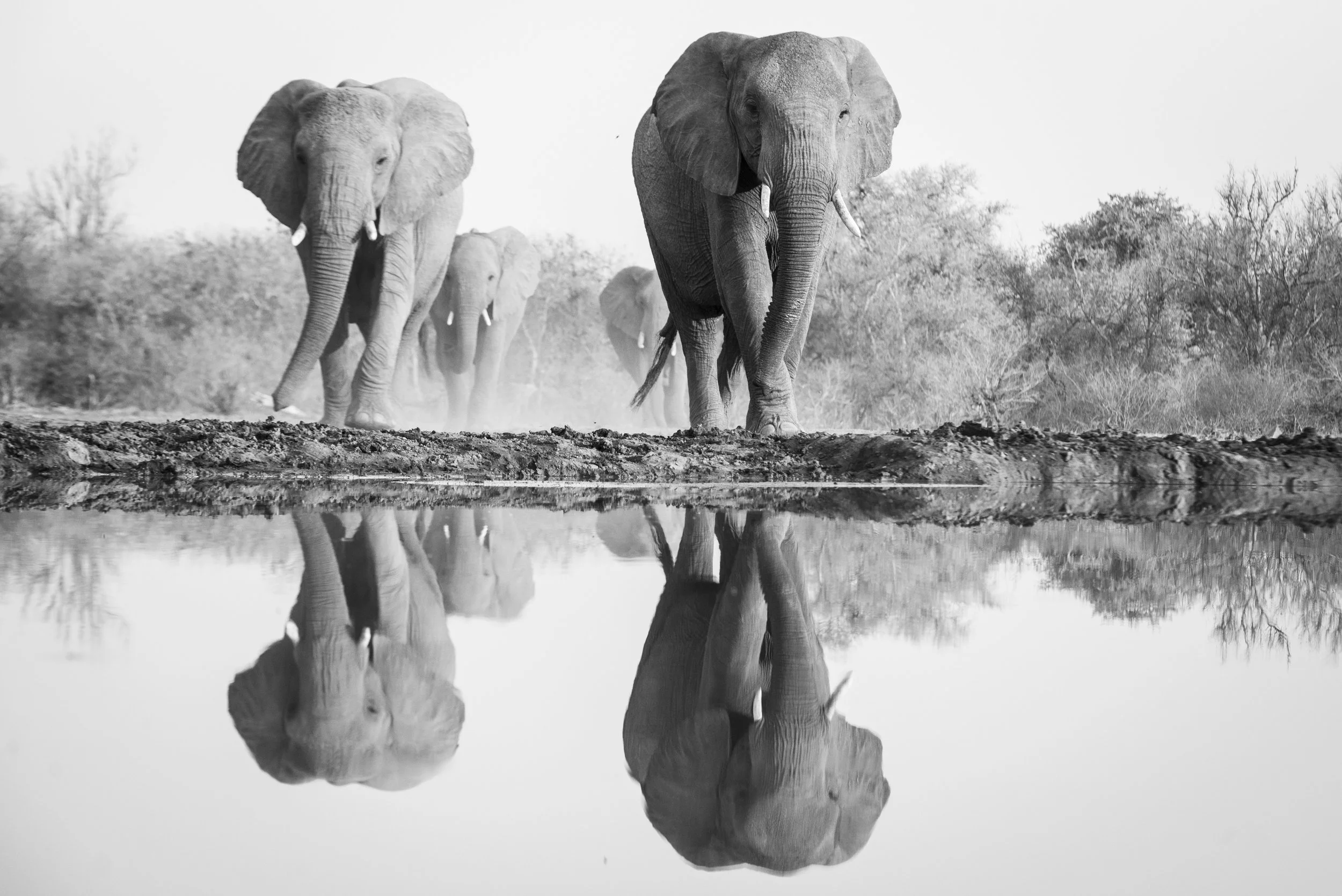
Mashatu is a wildlife paradise situated on the Limpopo river, with a long and rich history of photography. It is a photographer's eden for so many reasons - well known as a prime destination for photographing leopard, lion, elephants and so many other iconic African species. It also has two purpose-built photographic hides, both sunk into the ground so you can shoot at water level for reflections and unmatched eye-contact with the animals.

As already mentioned, we will have our pick of the hides as well as 4x private game drive vehicles. Over 5 nights here, you will really feel as if you’re immersed in the African wildlife, watching the flow of life from our vehicles, becoming familiar with the animals and their routines, which in turn leads to a fantastic photographic experience.

Like our lodge in the Delta, Mashatu is a private reserve which gives us a degree of exclusivity: Any sightings are strictly limited to 3 vehicles, which gives a feeling of intimacy and proximity to the animals that you simply can’t get in a regular park. All of the drivers at Mashatu are also used to working with photographers, and so know how to position the vehicles to get the best view of animals whilst ensuring the background isn’t cluttered with another vehicle. The density of animals there really is incredible - it really is a first class wildlife photography experience.

And in addition to this, Mashatu Lodge really is an outstanding place to stay with wonderful rooms and staff creating a fantastic atmosphere for our time there.

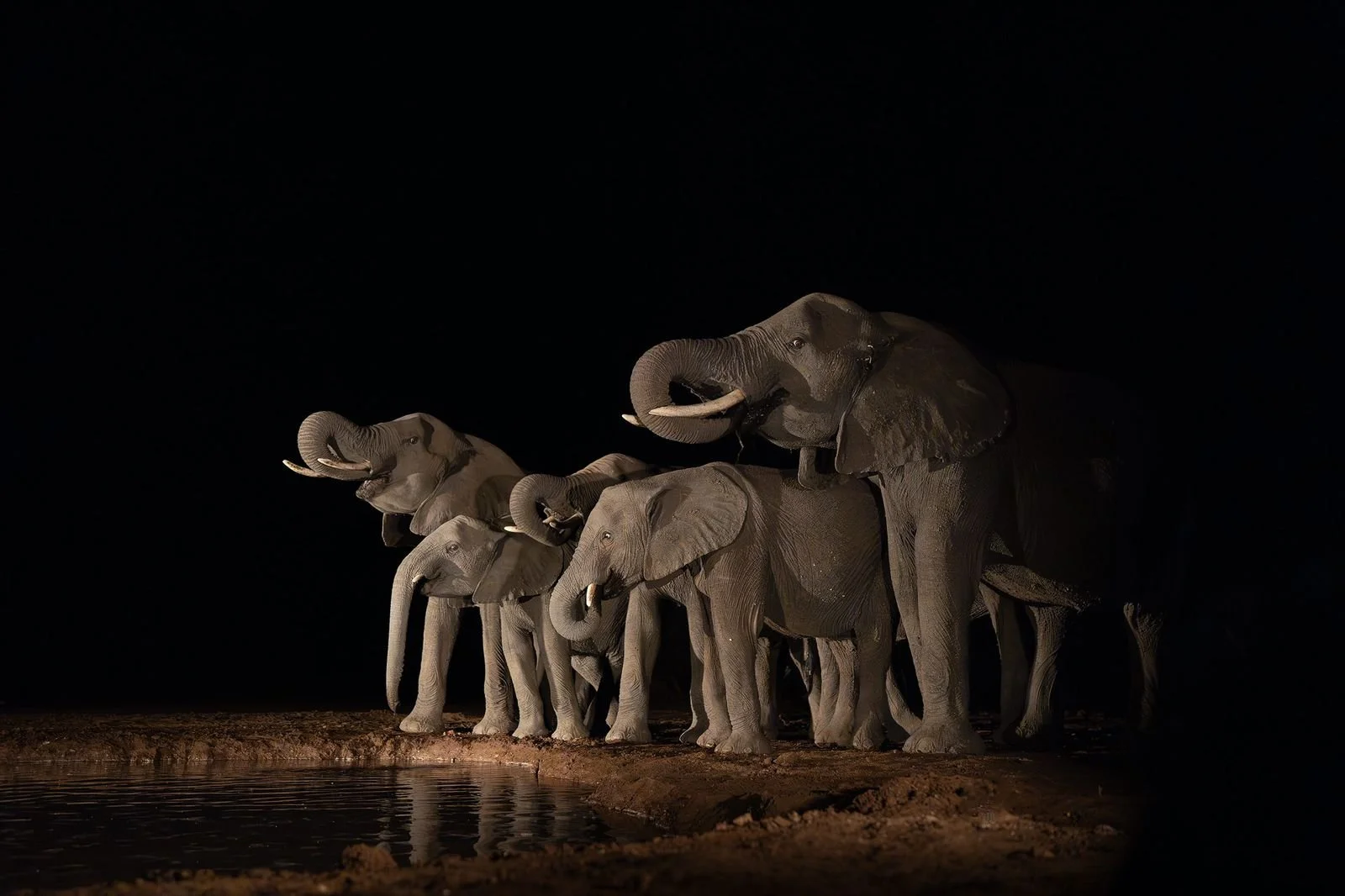
Mashatu also has the Lala Limpopo hide, a purpose built photography hide where every client will get to spend one night watching the animals as they come of drink in the waterhole. The hide is equipped with comfortable beds for those who want to sleep between sightings during the night, as well as a fully fitted kitchen, where dinner and breakfast, brought over from the main lodge, will be served.

A typical day is as follows:

  • Sunrise - In the mornings you'll either go for an early game drive or go to one of the hides.

  • Breakfast - After the morning shoot, we'll be back at the lodge for a delicious full breakfast.

  • Mid-day break - You'll get a few hours to rest and recharge batteries

  • Lunch - We'll reconvene for lunch around 14:00

  • Sunset Drive - After lunch we'll head out again for a drive or to one of the hides

  • Dinner - On return from the drive, we'll give you chance to put your gear down and freshen up, before we meet at the bar for a drink, followed by dinner

Accommodation: Mashatu Lodge


transfer | Mashatu - Johannesburg | 20 May

On our final day we'll hit the road to Johannesburg early in the morning. Its about a 6-hour drive on good paved roads and we should reach OR Tambo international by 2pm. You can fly out from South Africa on the afternoon/evening of the 20th (it’s advisable to get a flight after 18h) or spend a night at the Intercontinental if necessary to fly out the next day.

Little Sable Lodge

Mashatu Lodge


STAY IN LUXURY LODGES ON PRIVATE reserves

While our priority will always be photography, we know that accommodation is an essential part of the safari experience. Staying in beautiful lodges with great food creates a great atmosphere and ensures our creativity is at its best. So not only have we chosen to base our workshop in incredibly beautiful lodges in the Okavango Delta and Mashatu, we’ve also chosen lodges that are on private reserves. A private reserve offers all of the same sightings that you’ll get in a national park, but with a higher density of animals and a more exclusive and intimate experience. The number of vehicles on the reserve is limited to just those that are owned by the lodge, and they all work together to ensure clients have the best experience - making sure no-one gets in each others way at shoots, letting us spread out in different vehicles to find animals knowing that any other sightings will be called on the radio and so you won’t miss a things, and a level of knowledge from guides who’ve spent their lives living and working on the reserve and know the animals and their behaviour intimately.

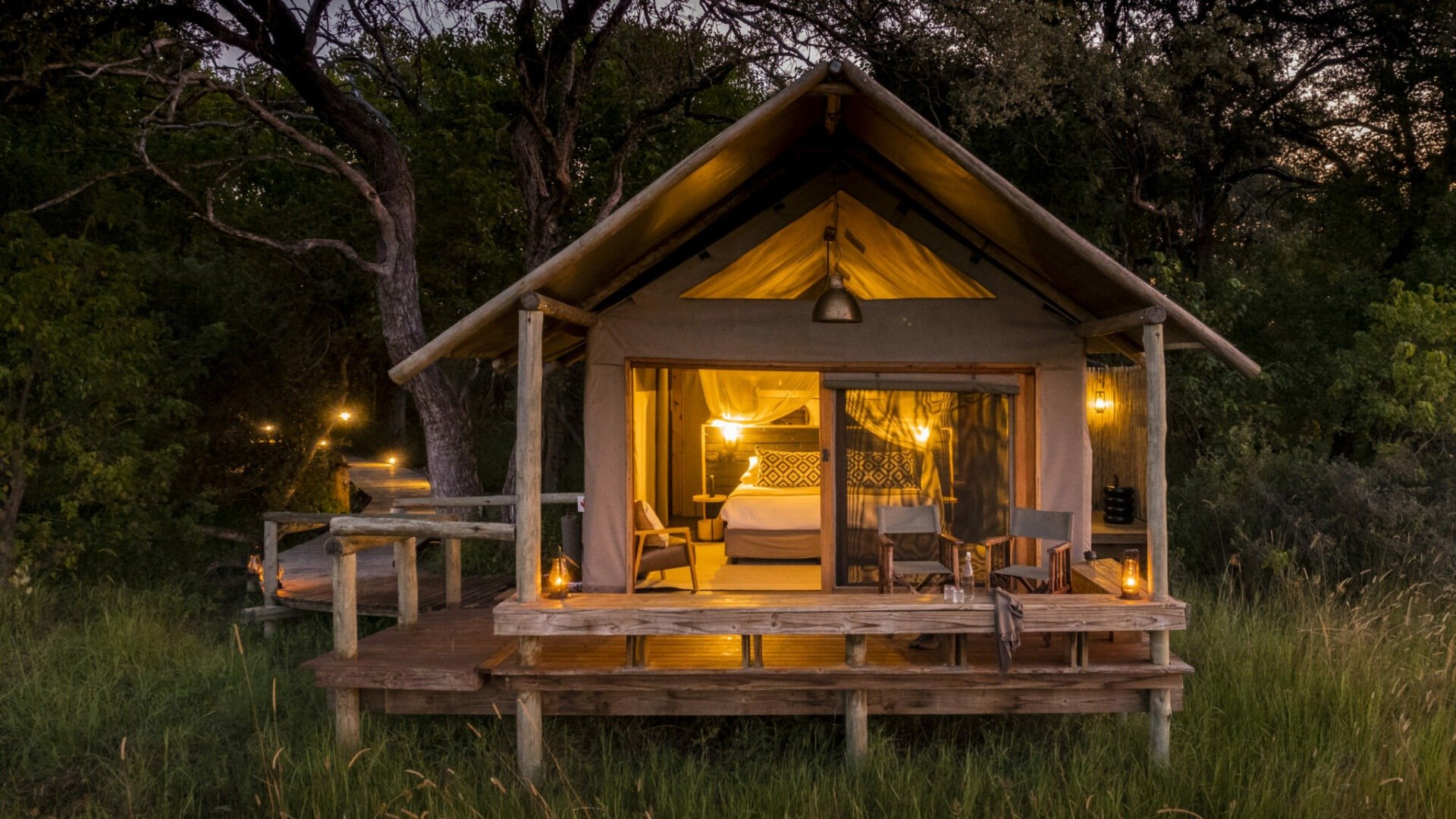
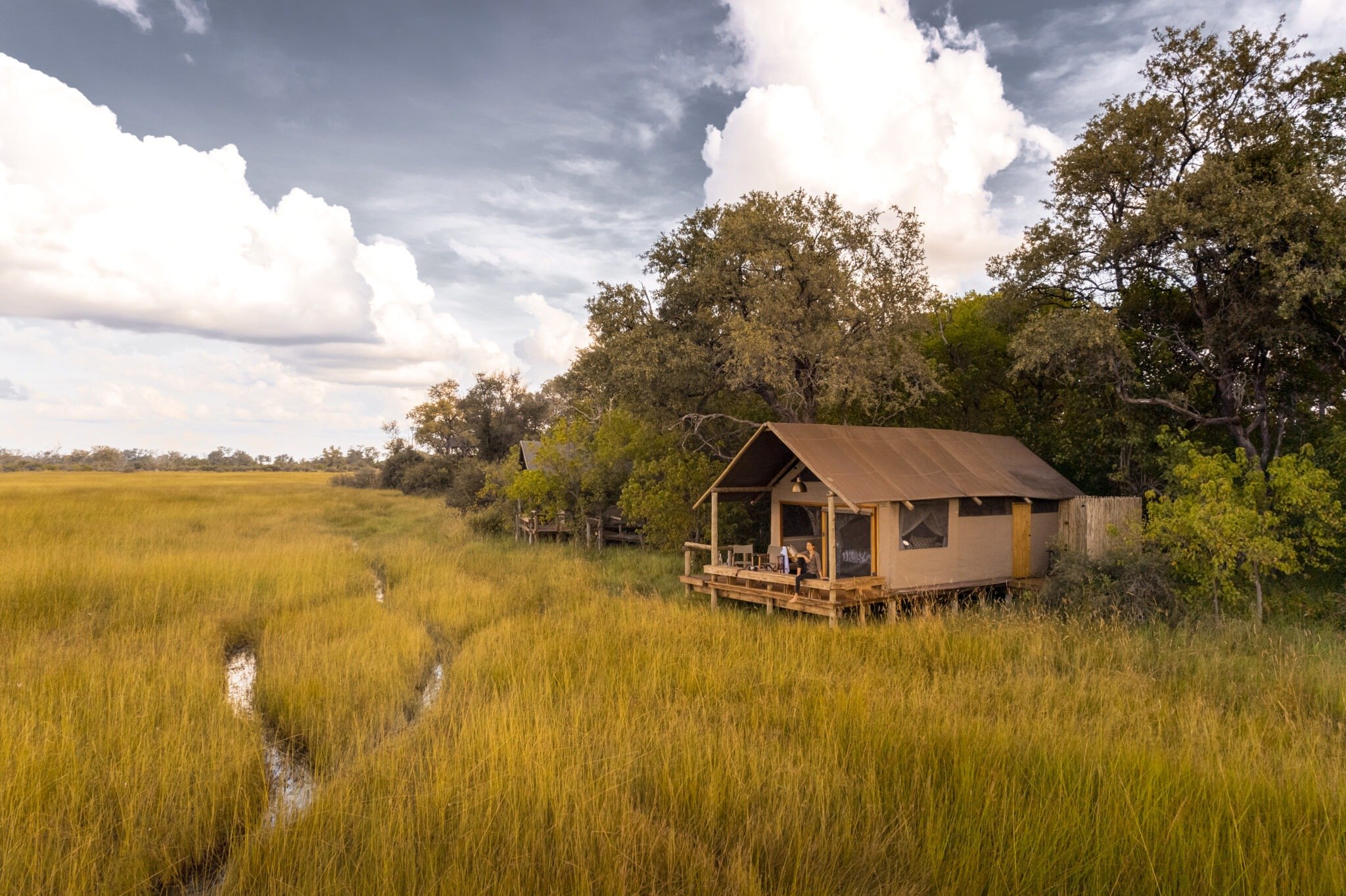
Little Sable - Khwai Private Reserve | Okavango Delta

Little Sable is a beautiful lodge where each bungalow opens out onto the river. The views from your room are incredible, and as the lodge is so small, we have exclusive use of it and all their vehicles during our stay

Mashatu Lodge - Mashatu Private Reserve

Mashatu is one of the most professionally run photographic lodges in Africa. The drivers there have spent years working with photographers and know exactly how to position the vehicles, and how the light affects the scene, as well as having incredible knowledge of all the animals on the reserve. I was there in 2026 and it was an incredible experience on every level. The staff there go out of their way to make your stay the best it can be, and we have exclusive use of 4 of their safari vehicles. We also occupy 10 of their 14 rooms, so while we don’t have exclusive use of the lodge, it will usually feel like we are the only people there.

 
botswana_khwai_private_reserve_little_sable2.jpg


Lala Limpopo Hide

This is Mashatu's flagship hide. It is a sleepover underground hide situated on a waterhole with a full modern remotely controlled studio lighting system which allows you to control the brightness, colour, angle and diffusion of lighting on the waterhole during the night. The hide has been constructed especially to maximise the photographic potential of the animals in the reserve. Next to a natural watering hole with viewing slots at eye level above the water, it gives photographers an opportunity to capture images of the different animals at the watering hole completely oblivious to our presence. It enables you to capture incredible images of animals behaving naturally.

Each participant gets a night in this hide included, 4 participants at a time, and you will also have access to the other normal hides included in your price.

 
hide.jpg


WHAT WE DO (AND WHAT WE WANT YOU TO GET FROM this WORKSHOP)


Our aim is to take you to beautiful locations and give you every opportunity to get great images while improving your technique over the course of the workshop.  We direct out time to being outdoors and we limit the number of participants on our workshop which gives us plenty of time with everyone in the field, meaning either Hougaard, Shem or myself will be close at hand to give you any advice or help you need, from composition to whether to use a filter. From the beginning of your time with us we can identify your photographic level and what you’d like to focus on, and then tailor the sessions accordingly.  

We carefully select the dates of our workshops to try and make sure we are in each location at the best time of year.  In Botswana, May means cooler temperatures and a respite from the searing desert heat, as well as earlier sunsets.

Finally, we want to share with you our passion for nature and landscape photography in this incredible place. Travelling in small groups means we can quickly build a great learning environment where people feel comfortable together and at ease with asking questions and making the absolute most of the trip. We aim to make your experience a memorable one and a trip from which, as well as getting some great images from amazing locations, you’ll also go home having had a true adventure with great company in a very special place.

SOME OF THE PHOTOGRAPHY TECHNIQUES COVERED

- Understanding the light and choosing the best settings to capture wildlife

- Composition for wildlife. Capturing compelling images of animals

- Wildlife photography. Creating a connection with the subject

- Lens choice. Choosing between tighter portraits of wider focal lengths to include the environment

- Focusing and ensuring you get sharp images

- Post processing - getting the best out of your images with contrast and colour.


  Frequently Asked Questions

_DSC4921.jpg
 

Is Botswana Safe? 

Botswana is one of the safest countries in Africa with very little petty or violent crime.

Do I need a VISA to enter Botswana?
No western countries require a visa to enter Botswana.

Will I have cellphone reception or wifi?

There is good Wifi at Little Sable and Mashatu

What about medicines, diseases and vaccinations?
Mashatu is a low-risk malaria area. We are visiting after the rainy season, which makes it even lower-risk. All of that being said, we recommend you consult a your doctor for a professional recommendation.

Will there be fresh water available?
Bottled drinking water is included at all destinations.

Will I be able to purchase snacks?
You can do so in Johannesburg or Maun. During our stay in the Delta and Mashatu, whilst we can’t buy snacks, food is almost always available in the lodge.

What food can I expect?
Food in South Africa and Botswana is primarily British-influenced. There won't be anything too exotic or scary. The lodges and camps we use can cater to all allergies and dietary preferences. .

Are there any luggage restrictions?
Yes - as we take a charter flight to get from Maun the Delta, each participant will be limited to just 20kg (44lb) of luggage, including camera gear.

Do I need to bring spending money along?
Not really - you can pay for everything with a card or tap-to-pay.
Tipping
It is customary in Botswana to tip porters and guides. We recommend a tip of at least $100-$300 (in total for the crew/staff) at each destination, so you can budget around $500 for tips.

Do I need a laptop?
Yes, we strongly recommend bringing a laptop or tablet to check photos during the trip. There’ll be time on most of the days to download and review photos.


 WHAT TO BRING 

Cheetah in tree 2.jpg
 

A dSLR or mirrorless camera

We recommend cameras of the latest generation as they tend to have the best auto focus systems, which really can make a difference when capturing wildlife, particularly for things like ensuring focus remains on the animal's eye when tracking or in tricky images where there are other elements like foliage close to the animal's face.

Lenses

When it comes to wildlife, a long lens is absolutely critical. It is no longer so important to have a fast super tele like a 400mm f/2.8 or 500mm f/4 as camera's low-light abilities have improved so much. A good super-tele zoom like Sony's 200-600mm/ Nikon's 180-600mm/ Canon 100-500mm/ Fuji 100-400mm is sufficient.

This needs to be paired with a fast standard telephoto like a 70-200mm for full frame users or 50-140mm for Fuji XT users.

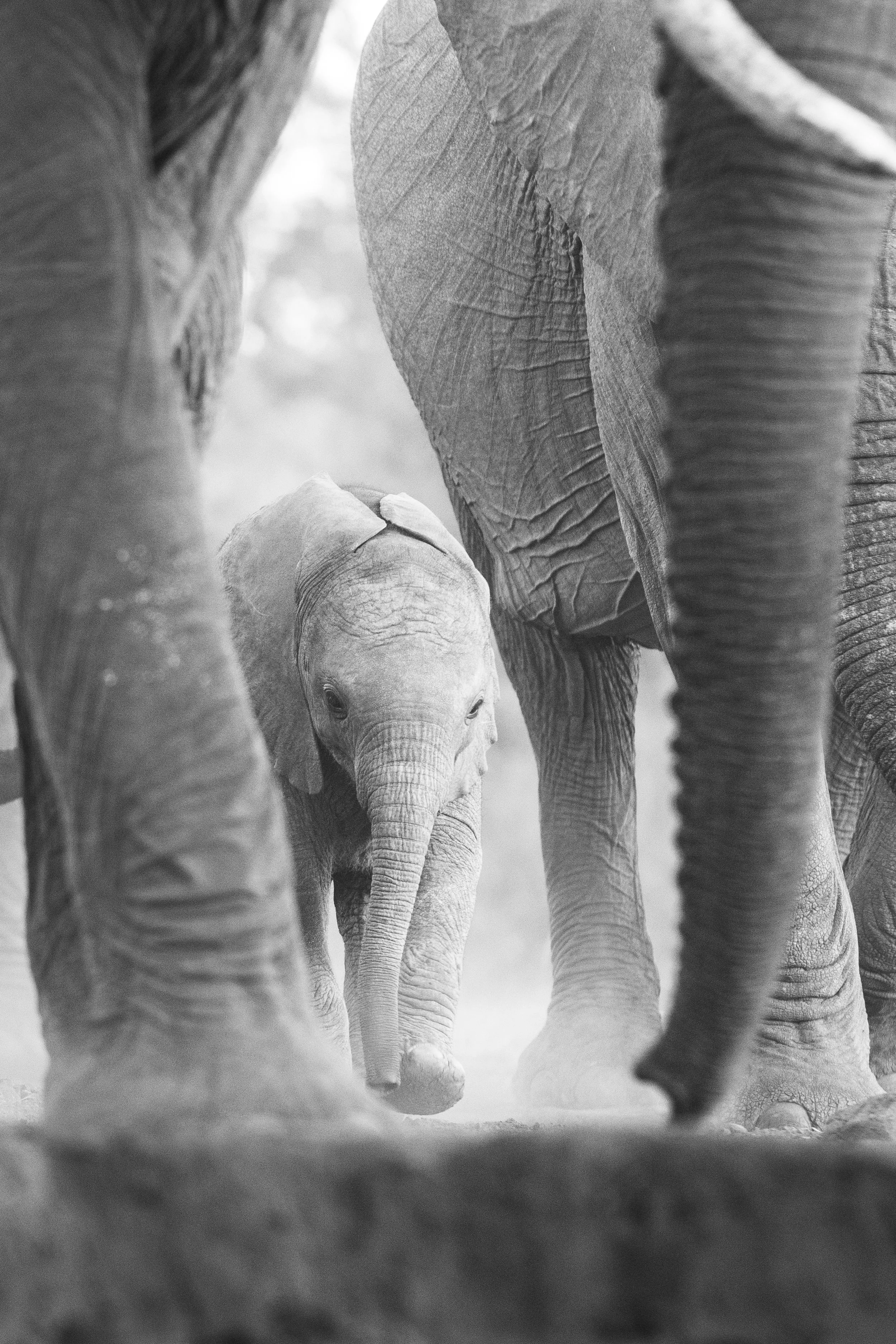
A wide angle is also useful if we see elephant photos in the hides (yip, you'll be that close)

Cleaning

Botswana is dusty, but not sandy.  A blower and a paintbrush will help you keep your gear spotless during the trip.

Tripod?

We’ll be shooting from vehicles and so a tripod is useless - you can leave it at home. Some people like to use monopods, but the vehicles have beanbags, and often mono-pods just get in the way. As most images are shot with a fast shutter speed to ensure there’s no movement blur from the animal, and as we’re often constantly moving, it’s almost always easier to shoot handheld.

In the hides table mounted ballheads and beanbags are provided.

Backpack?

Usually this is also an essential, but not so much with a wildlife safari. As we’ll always be in vehicles, carrying your gear isn’t really an issue, and you’ll always have a seat to put your jacket down on, so if you prefer a shoulder bag then thats fine


The Guides

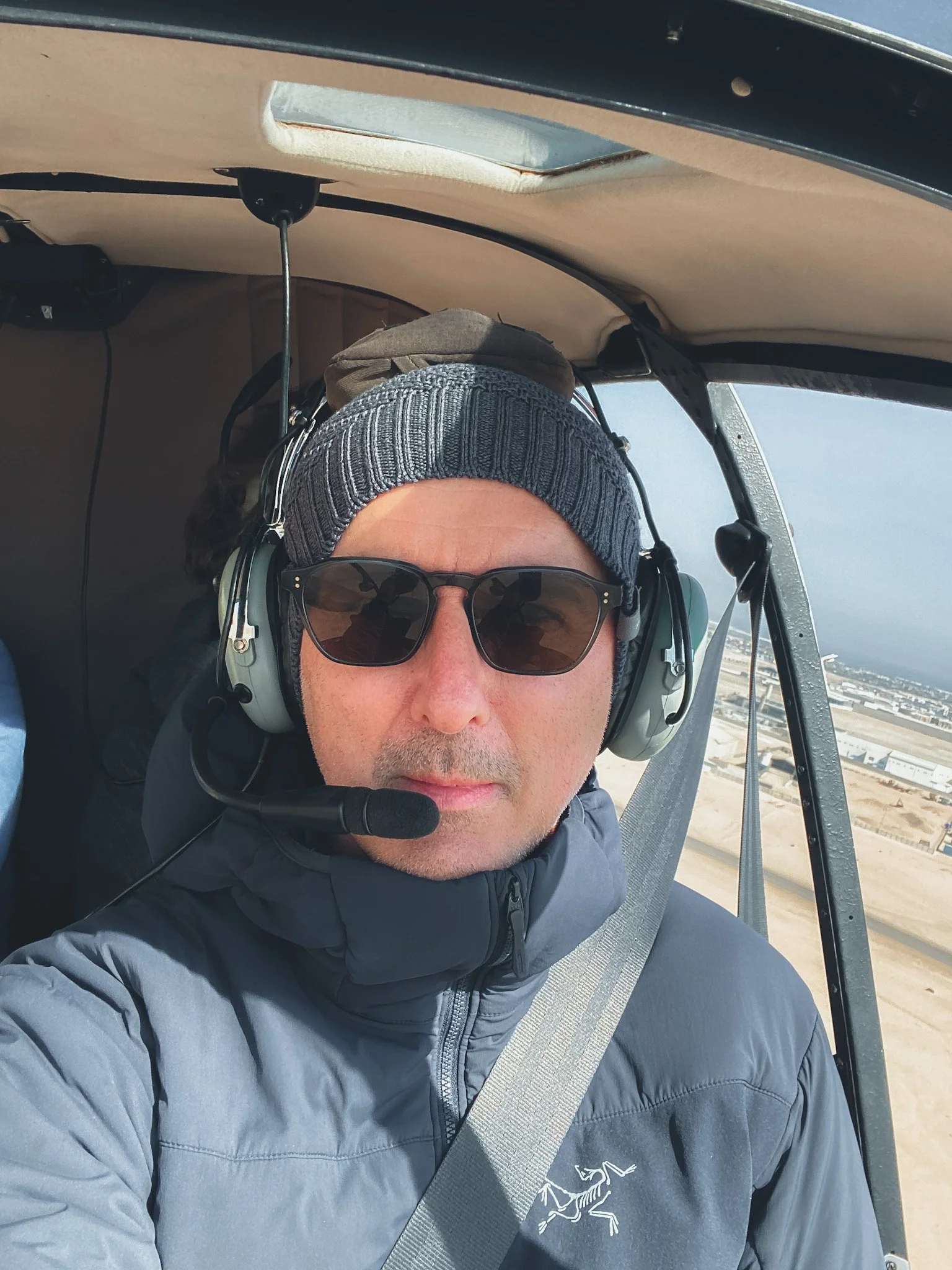
 ANDY MUMFORD is a Lisbon based professional landscape and travel photographer. Andy grew up in the UK loving nature and travel and took up landscape photography over fifteen years ago. Since then he has travelled extensively photographing all over the world and his photography and articles have featured in publications and books worldwide. He is a passionate photographer teacher and has been leading both group and one-to-one workshops for over five years.

He is a Fuji X Photographer and a brand ambassador for Fujifilm in Portugal, although he also has extensive experience with Nikon and Canon cameras.

.


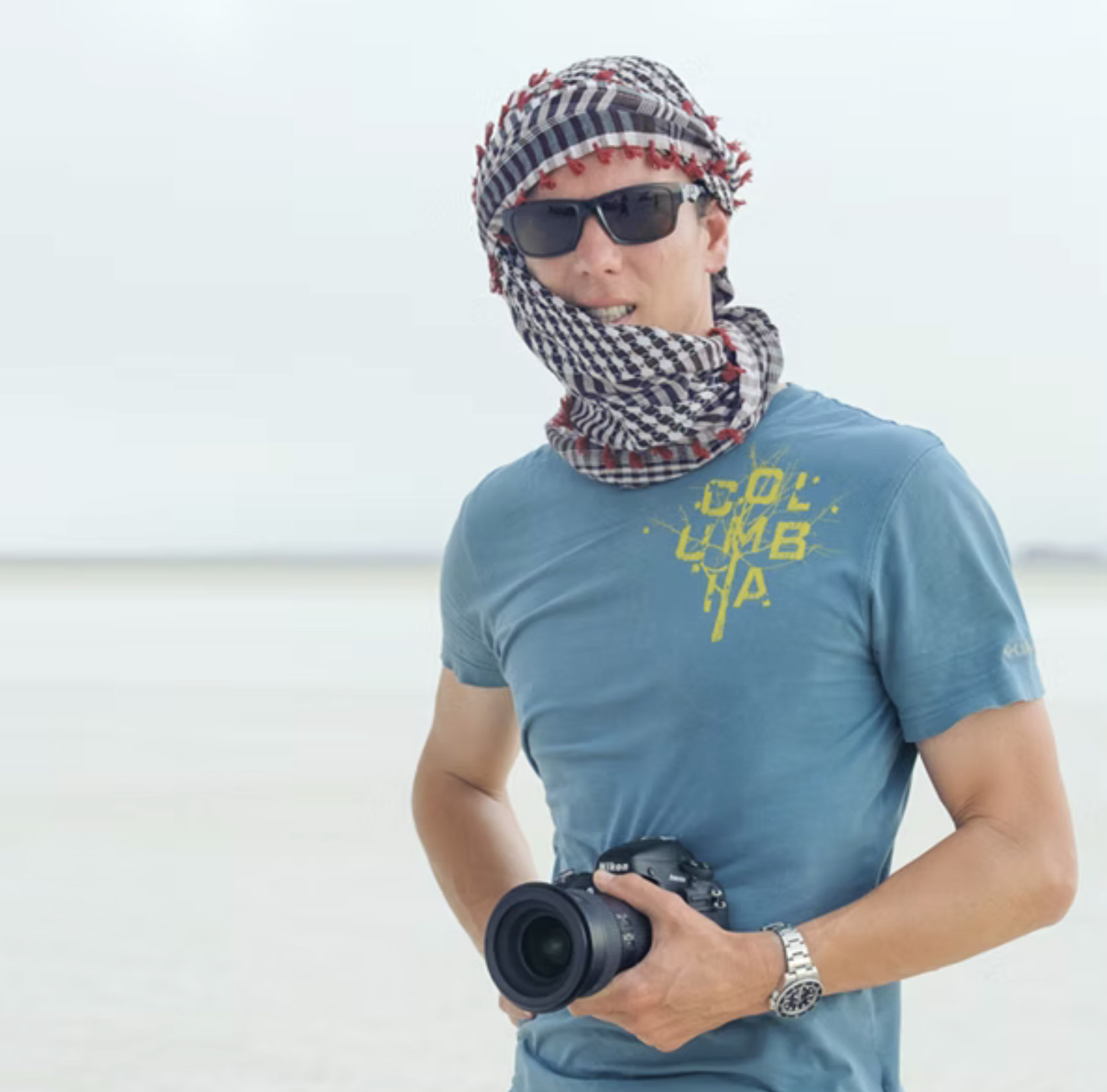
Shem Compion is an adventurer, nature photographer, creative, author and photography hide builder, gleaned from years observing birds from self-constructed hides in his back garden. His passion is to share his love of the natural world with other people. He is one of the few remaining professionals making a full time living from his passion for wildlife and nature photography. He celebrates creative photography by exploring every aspect of the natural world, making him one of the most diverse and celebrated natural history photographers, whose work has been awarded and published all over the world.  Born in Africa, Shem travels the world to share his images, his knowledge and his deep natural history experience with other people.

​In 2005 Shem co-founded C4 Photo Safaris and has been leading and hosting photo safaris ever since. He is a first class naturalist and credits this as being the essential ingredient for successful wildlife photography. His talents have been tapped by the likes of the BBC Natural history Unit in Planet Earth series in the Great Plains series featuring lions hunting elephants in the Savuti, Botswana. He has worked with many celebrated wildlife and travel photographers including Art Wolfe, Frans Lanting, Jonathan and Angela Scott and Tom Mangelsen.

www.shemimages.com


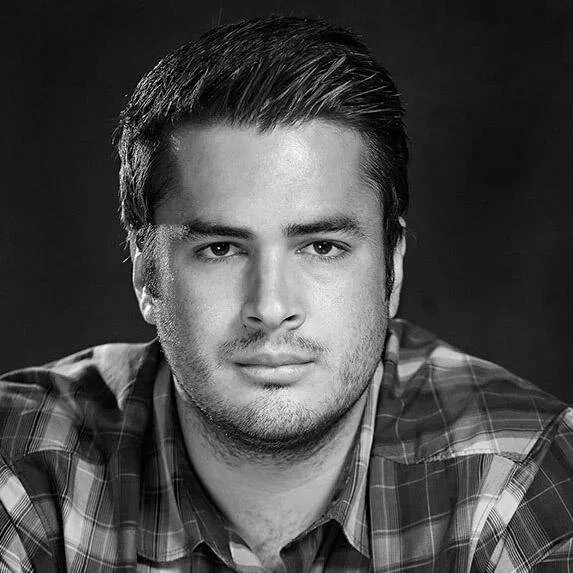
Hougaard Malan is an award winning South African photographer who has been guiding and organising photo tours to Nambia for a decade. He has taken people from every corner of the planet to every corner of Namibia. His own photos of Namibia have won him awards like the 2016 International Landscape Photograph of the Year and his clients have also won numerous awards with the photos captured on his tours. All the images on this page were captured by Hougaard.

Hougaard believes the essence of a landscape photograph is allowing the viewer to experience that place without ever being there. When the light, clouds and land combine to produce scenes so beautiful that they etch a profound place in viewers’ memories, and witnessing such moments unfold over earth’s most beautiful landscapes is, for me, one of the highlights of living.

Hougaard’s work has been published in countless media all over the world, from books and magazines to calendars and coffee table books by the likes of National Geographic. Licensing and commission clients include global and local corporates like Samsung, Toyota, SAB Inbev, FNB, Standard Bank and Europcar.

www.hougaardmalan.com

Our Workshop Partner - C4 safaris

The ground-handling operator for this tour is our long-time partner, C4 Safaris . They are the longest standing photo-tour operator in Africa with locally registered and insured operations in South Africa, Botswana and other African countries. They handle all logistics in Sub-Saharan Africa for countless notable companies and photographers including Art Wolfe, Frans Lanting and Joe van Os Safaris


REGISTRATION 

To register for the workshop we require a $4500 deposit.  Please complete the form below to sign up or for more information, and please read the Terms & Conditions by clicking on the link below.