
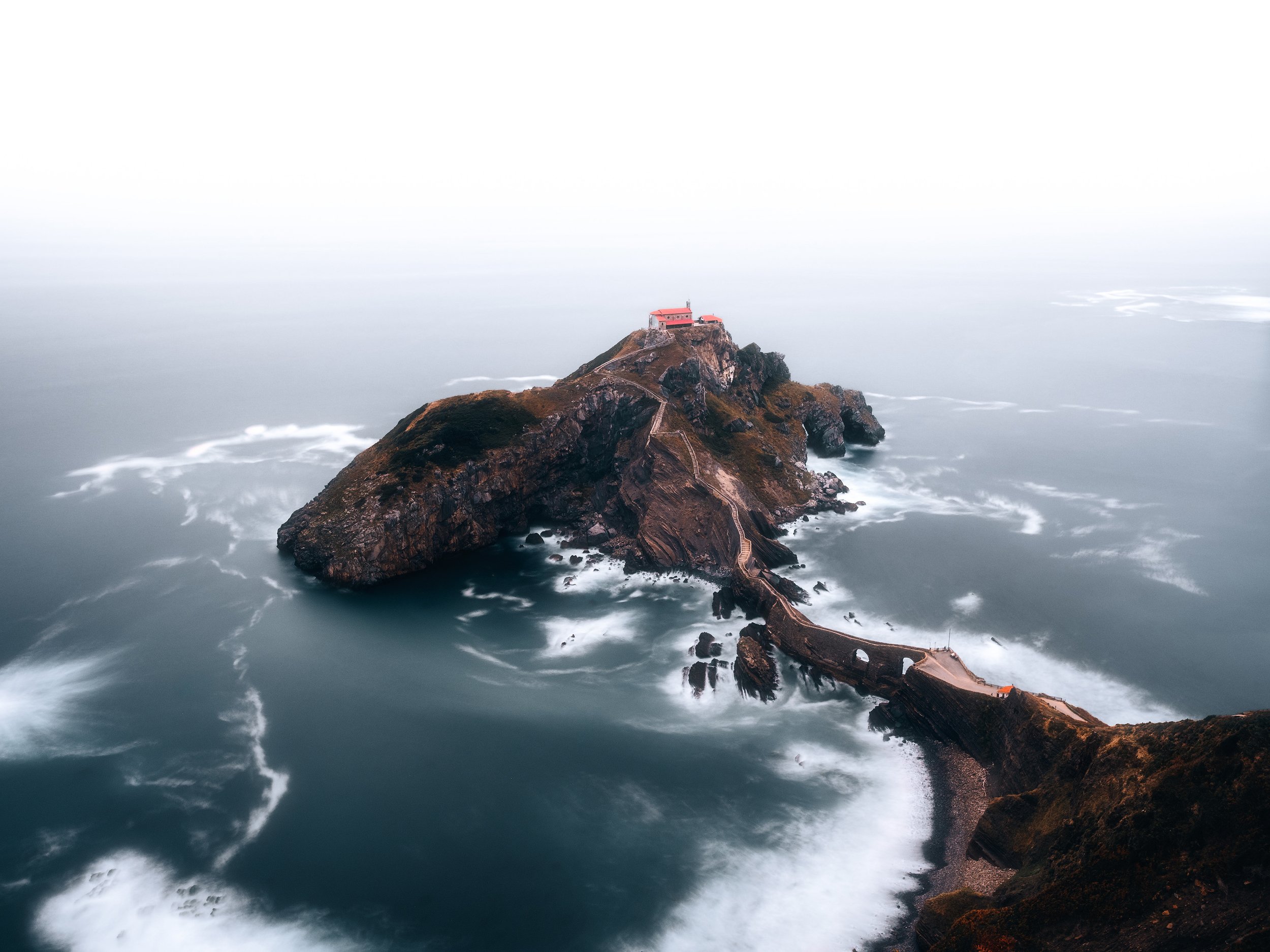
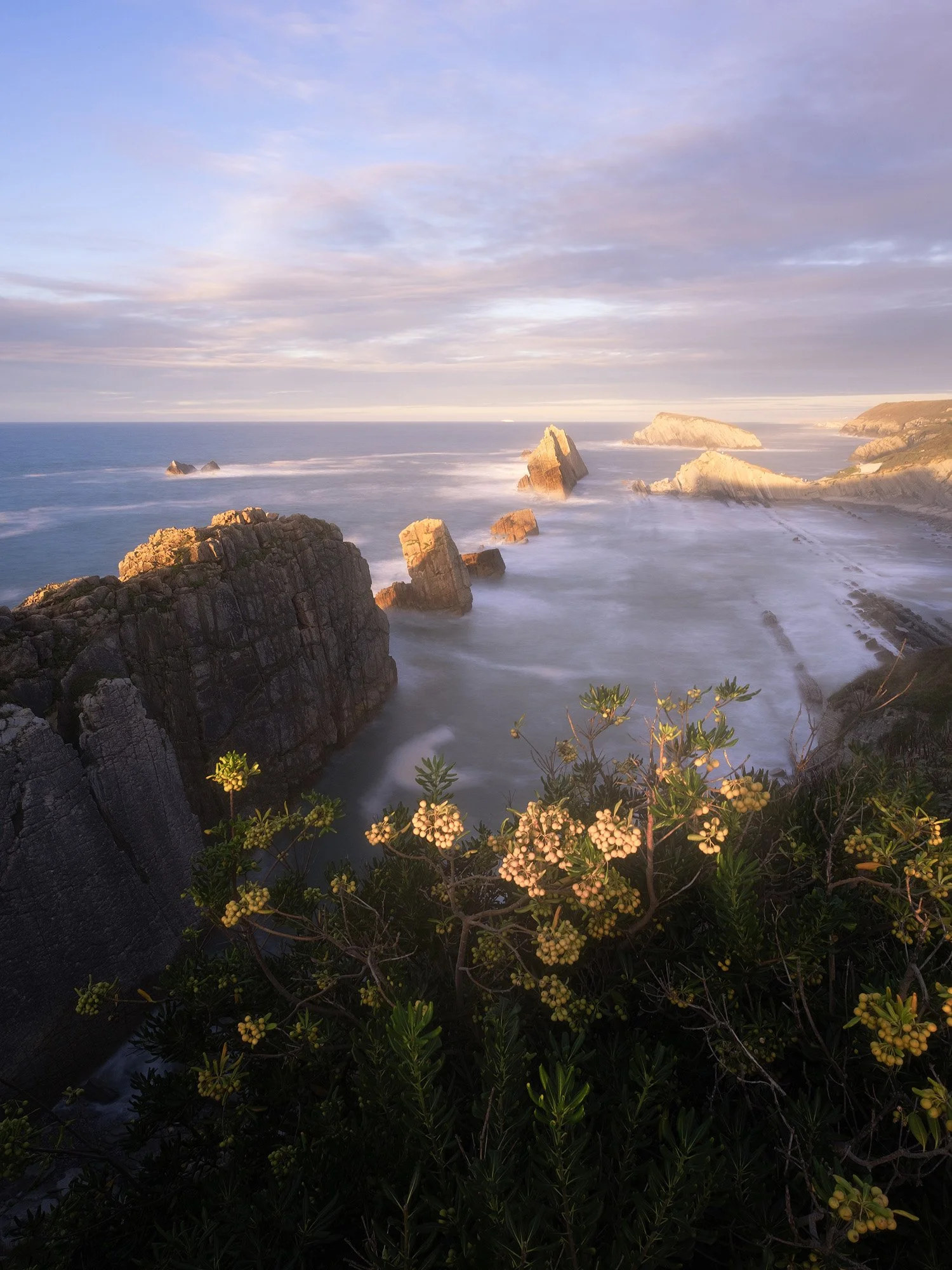
There’s something really special about being on the edge of the sea with your camera. It’s how my landscape photography journey started out, and it was the same for my workshop co-leader Hougaard, photographing the coastlines near where we lived. All these years later i still love photographing the ocean, there’s a dynamism in trying to catch the movement of the waves, and every shoot always feels different and special. But of course photographing the ocean requires special coastline, and there are few stretches of coastline more dramatic and photogenic than that of the northern coast of Spain.
Stretching from Bilbao and San Sebastian in the Basque Country through Cantabria and into Asturias, the coastline here is wonderful with an overdose of all the elements that make for great seascape images. Rugged coastline full of jagged sea stacks, fascinating rocky beaches for foreground, and forests that sweep down to the edge of the water in places. The variety here is incredibly rich which gives us a wealth of opportunities to create different images, and it’s a place thats still pretty much off the tourist map, so most of the locations we’ll have pretty much to ourselves, allowing us a freedom to explore and find unique compositions and come back with something original. So join myself and Hougaard Malan exploring and photographing this wonderful coastline.
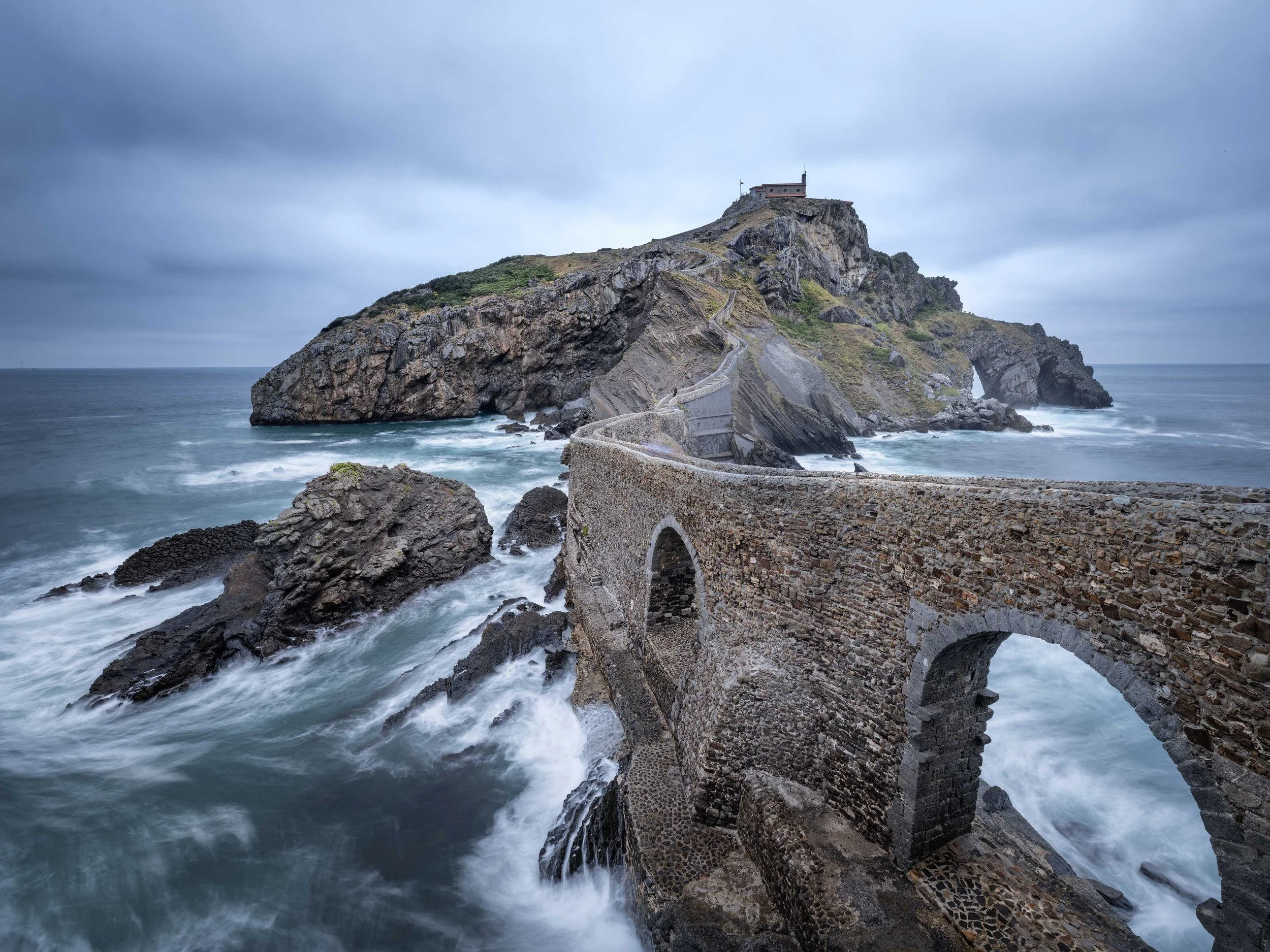
Our workshop has two bases, and a welcome night near Bilboa airport which allows us to cover the huge variety of locations to shoot here and be close to all of them with very short drives for our shooting sessions. It also allows us to be flexible and adapt to the weather and conditions on a day to day basics. We’ll spend our first night in a small coastal town a short drive from Bilbao airport, but even here we’re close to a wonderfully photogenic sanctuary which we’ll capture on our first night. We’ll then head west to spend three nights in Asturias with its thick forests and steep cliffs sweeping down to the ocean and its rugged, rocky beaches. Then we’ll move on to Cantabria where we’ll spend three more nights capturing the seastacks and fascinating shoreline of this incredible region, shooting from both the tops of cliffs and down by the waters edge.
During late September and early October, the weather is still quite warm, but the changing of the seasons has set in bringing with it interesting skies and changeable conditions, which is what produces the most exciting and dynamic images. Sunrise is also quite late and sunset relatively early, which combined with the proximity to our shooting locations means we don’t get enough time to sleep and recharge between the days. It’s also off peak, so whatever tourism this are gets is significantly reduced.
This tour is limited to ten participants, and like all my workshops is designed to ensure that you can focus on photography while we take care of everything else. We’ve selected great, boutique accommodation, and combined that with an itinerary that’s structured to maximize your opportunities to get great images whilst improving your skills as a photographer. We use all our experience and knowledge to get you to some of the northern Spain’s most beautiful locations in the best light, and in the field we’re on hand to provide as much support, advice or guidance as you want. Having two professional photography guides helps us to ensure that each participant gets plenty of one-to-one tuition and allows us to better tailor each session to your needs. .
PRICE
€6450
(price includes single occupancy in private room with bathroom)
GROUP SIZE
10
EXPERIENCE
Amateur, enthusiast and semi-pro photographers.
PHYSICAL DIFFICULTY
Moderate - Most locations require climbing or descending short but steep trails, and beaches often require scrambling over rocks and uneven ground “A Word About Fitness” below
WORKSHOP INCLUDES
Landscape photography and shooting in wonderful coastal locations
Two professional photographers & guides
Post-processing workshops in Lightroom and Photoshop, with screen recordings which the participants can keep
Continous assistance with your photography
Photo critique session
All accommodation in excellent hotels hotels
All meals, snacks and beverages (excluding premium wines and liquors)
Airport transfer to/from Bilbao airport
NOT INCLUDED
Flights to/from Funchal
Premium beverages
Credit Card Charges
Travel Insurance
ITINERARY
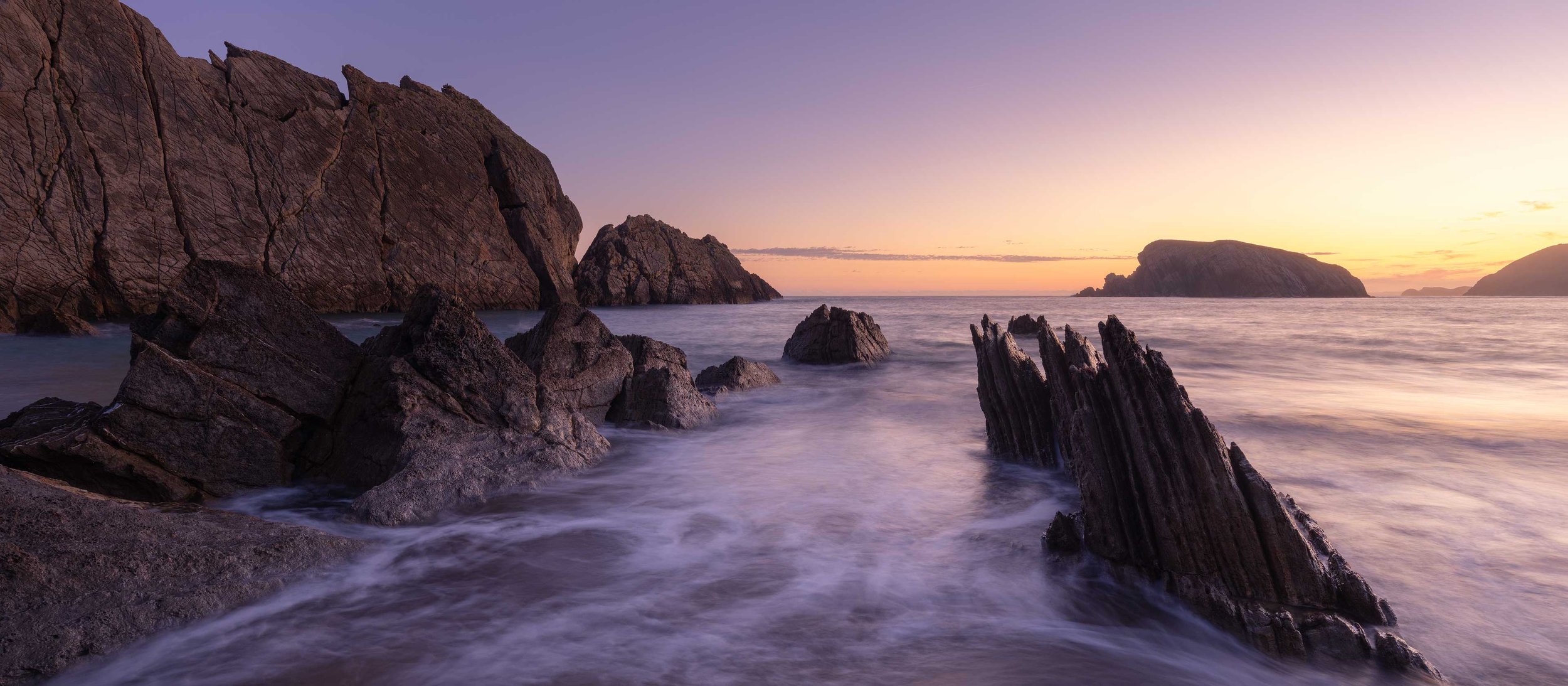
We visit the NOrthern spain by basing ourselves at three locations. We stay first in bakio, just outside Bilbao, then asturias and finally cantabria. Our time within those dates is flexible so we can decide which locations to visit while we’re there depending on the local weather and conditions.
Eash day will have two shooting sessions, sunrise and sunset, and we’ll often spend late afternoons before the sunset shoot exploring locations. We’ll usually be back at our hotels in time for breakfast. We’ll understand that over the course of a workshop fatigue can accumulate leaving people with less energy at the end of the trip, so we try to ensure that people get sufficient downtime to rest between sessions.
At this time of year the sunrise is around 8h10 and sunset around 19h45
ARRIVAL IN BILBAO | 1 NIGHT
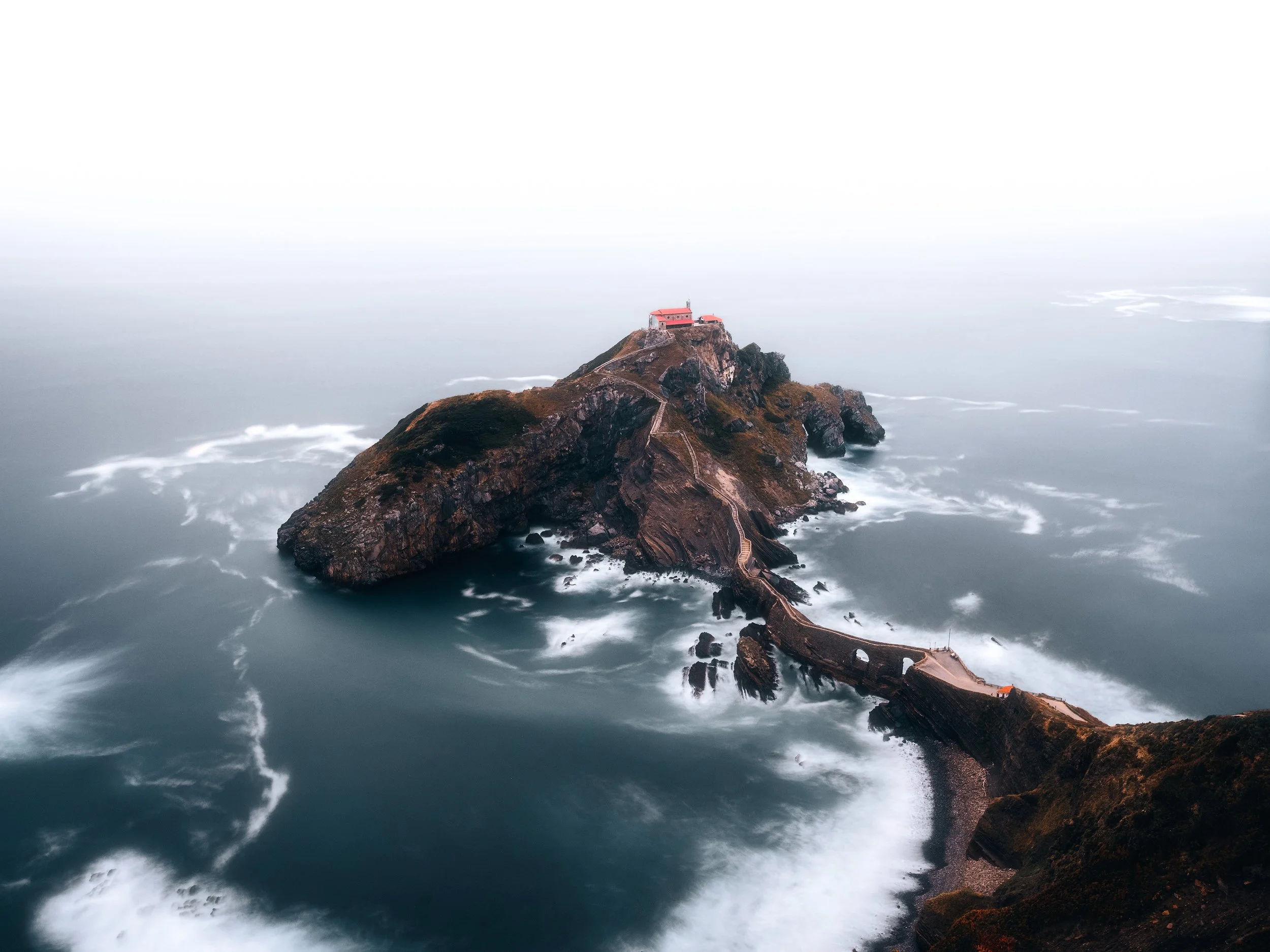
You’ll be picked up from Venice Bilbao airport and transferred to our first base in the seaside town of Bakio, where we stay in a beautiful boutique hotel overlooking the beach. We’ll have our welcome briefing here, before heading out for our first shoot at the fascinating San Juan de Gaztelugatxe island sanctuary. We’ll then head back into town for dinner at a wonderful local restaurant around the corner from our hotel.
ASTURIAS | 3 NIGHTS
After breakfast the following morning we’ll head out on the four hour journey to our base in Asturias, where we’ll stay in another lovely boutique hotel which has been reserved just for our group. The accommodation here is also perfectly placed to give us relatively short journeys to and from most of our shooting locations, which means we can have more time in the field and less in vehicles travelling to the locations. Each day we’ll be back at the hotel in time for breakfast, and our main meal will either be directly after we return from shooting, or sometimes we’ll have an early dinner before heading out for our evening shoot.
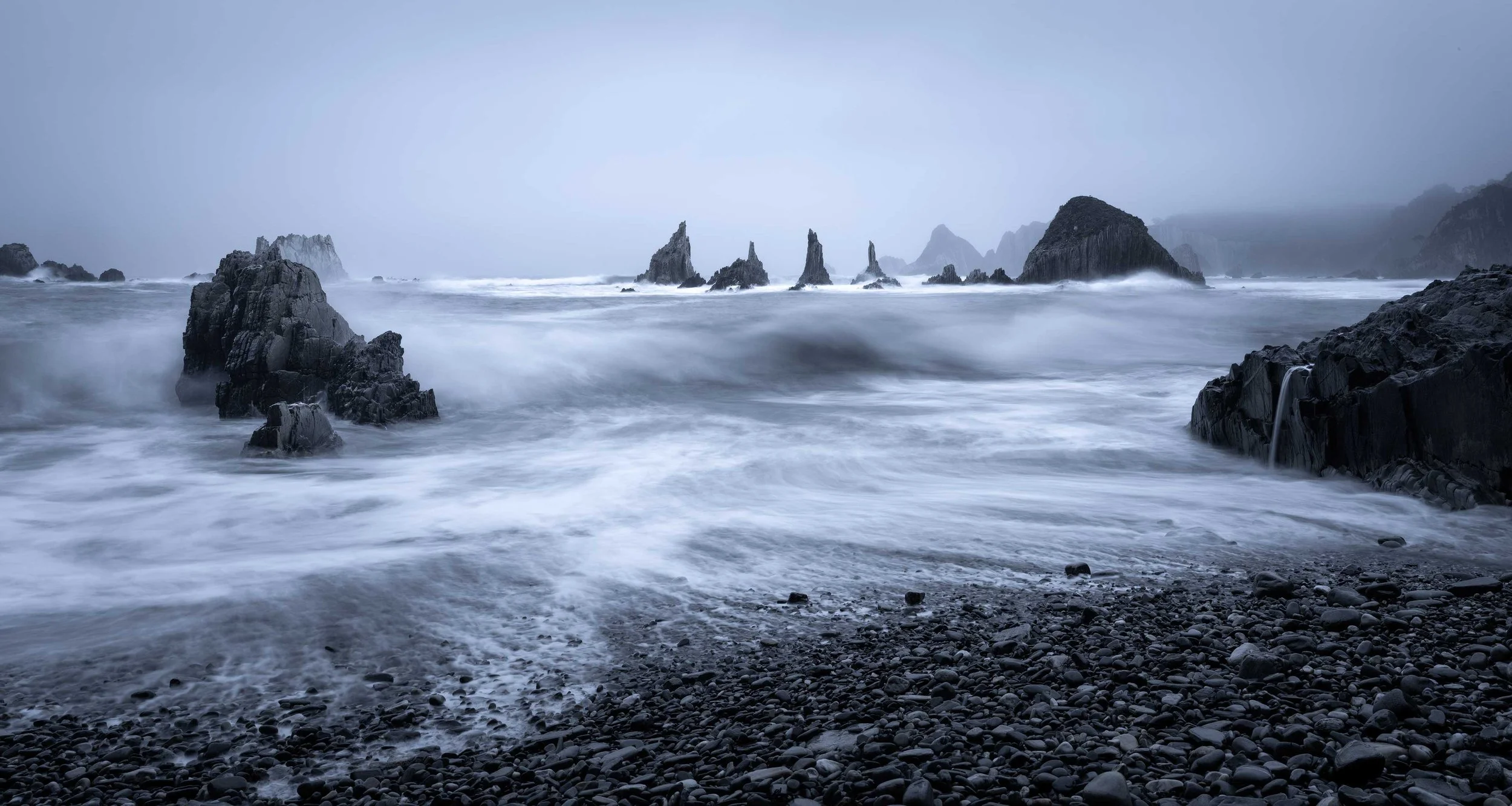
The coastline in this stretch is rugged and beautiful, dotted with incredible seastacks and rocky beaches. We’ve timed our stay here to coincide with the tide being in the best place for our images, and each session we’ll make our way down the cliff side trails onto the beaches, where we’ll look at how we can use foregrounds to support the main subject of an image, and how to capture moving water with different shutter speeds.
We’ll also have time while we’re here to look at post processing and do some image critique to help refine our images.
CANTABRIA | 3 NIGHTS
After breakfast on our fourth morning, we’ll head to our next shooting location in the region of Cantabria. It’s a two and a half hour journey to our hotel on the outskirts of Santander, which gives us access to the incredible coastline here around Liencres.
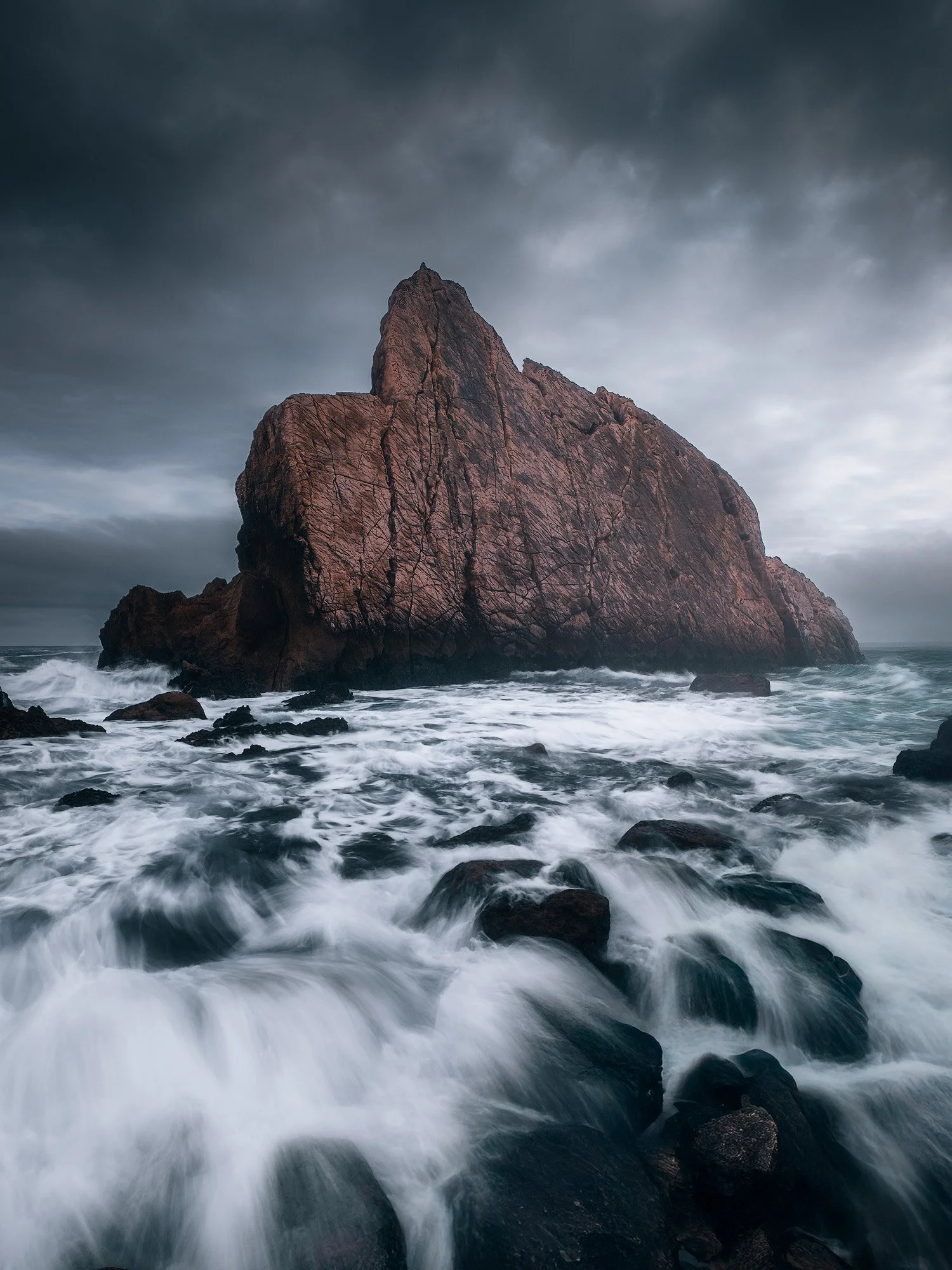
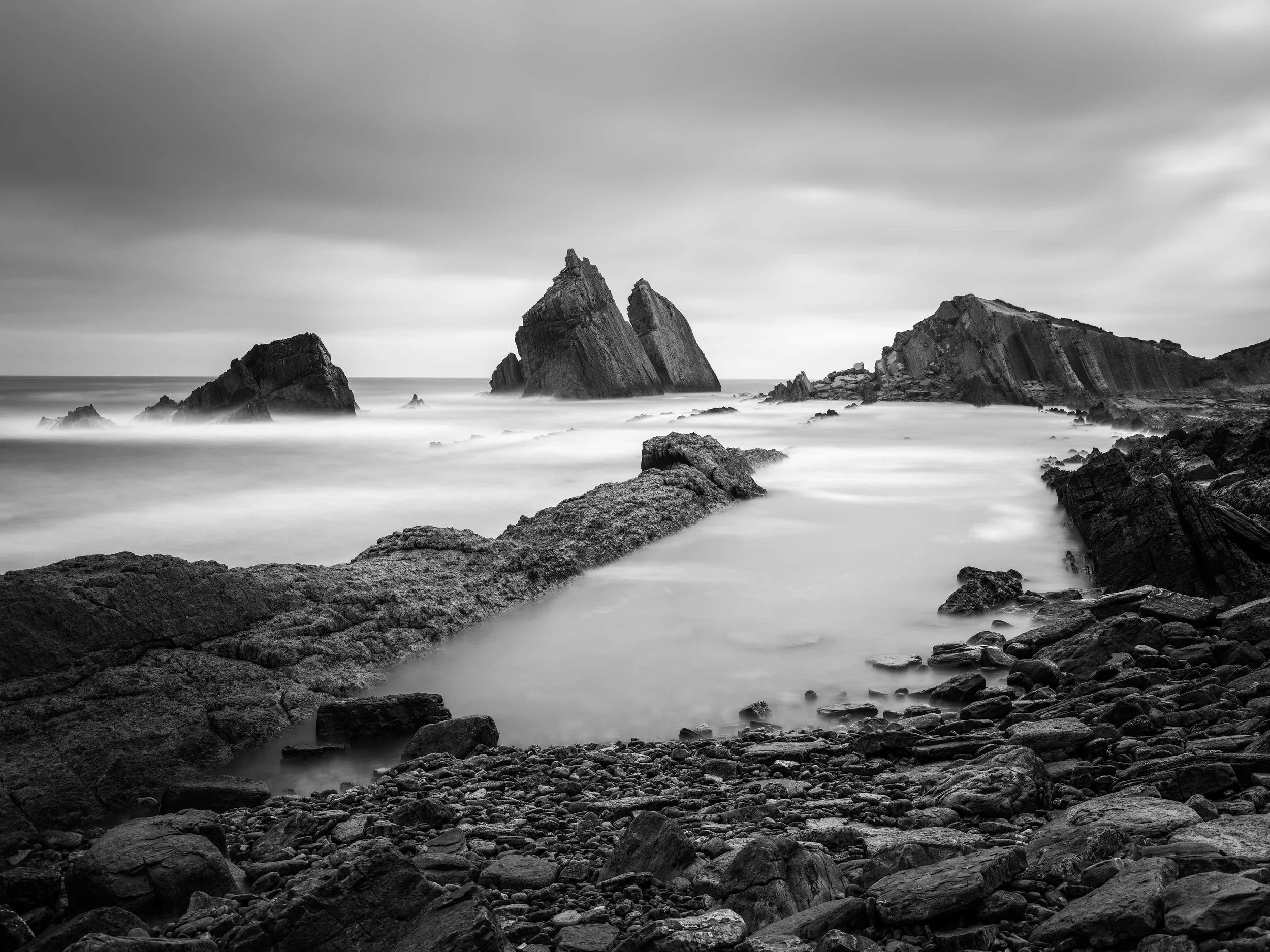
The coastline here which has so much to shoot, there are so many compositions both up on the cliff tops and down by the edge of the ocean on the rocky beaches. We’ll look at using filters to do really long exposures to completely blur out the water, and shorter exposures to maintains some dynamism and movement in the waves.
We’ll return to the same location a couple of times here as there’s an incredible variety of compositions available, and the waves and weather make each session feel completely different.
Again, we’ll make time here to have an editing and critique session.
End of Tour | ? OCTOBER
On our final morning we’ll make sure everyone gets back to Bilbao Airport for their flight home, We’ll depart after breakfast and make the one and a half journey back to the airport, aiming to arrive around 10h00. Please note there’s always the possibility of traffic or delays, so book your flights after 12h30 to make sure
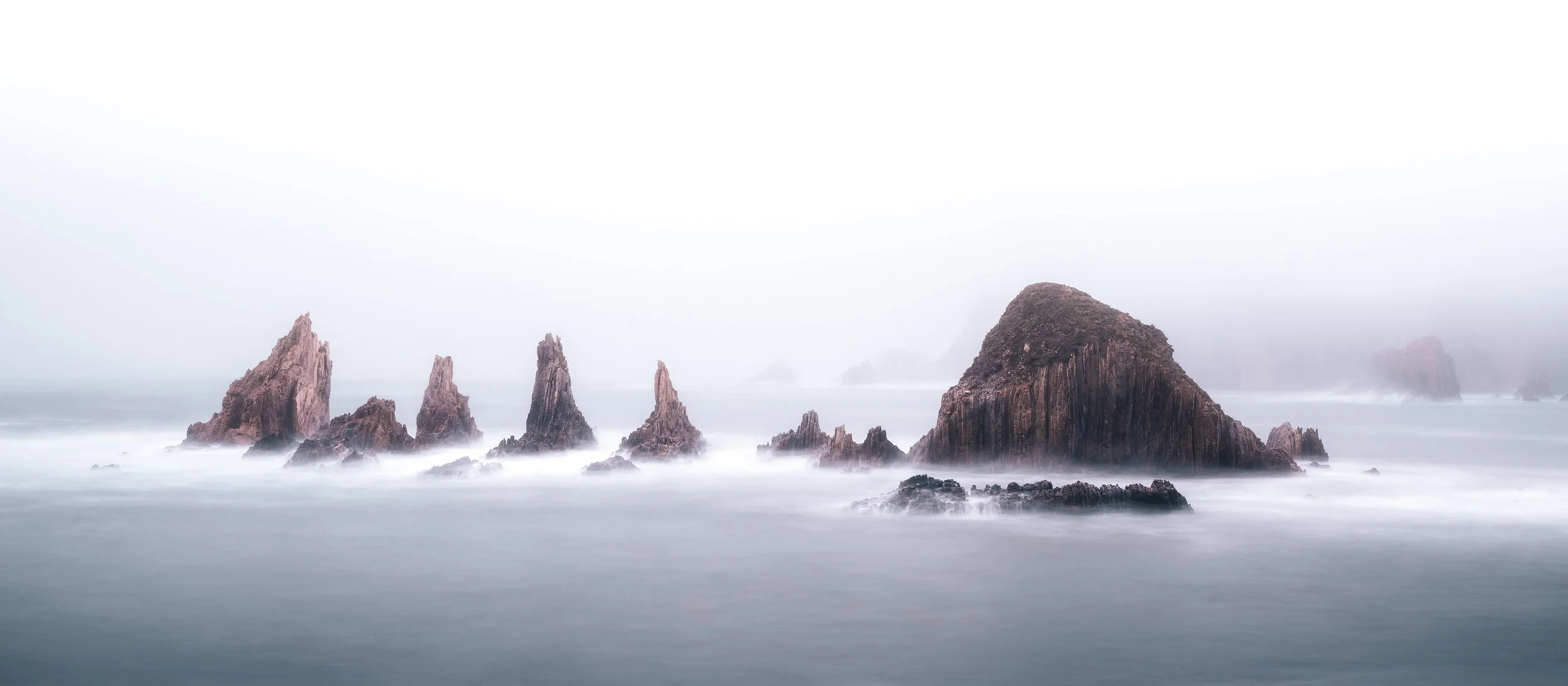
SOME OF THE BEST SEASCAPES IN EUROPE
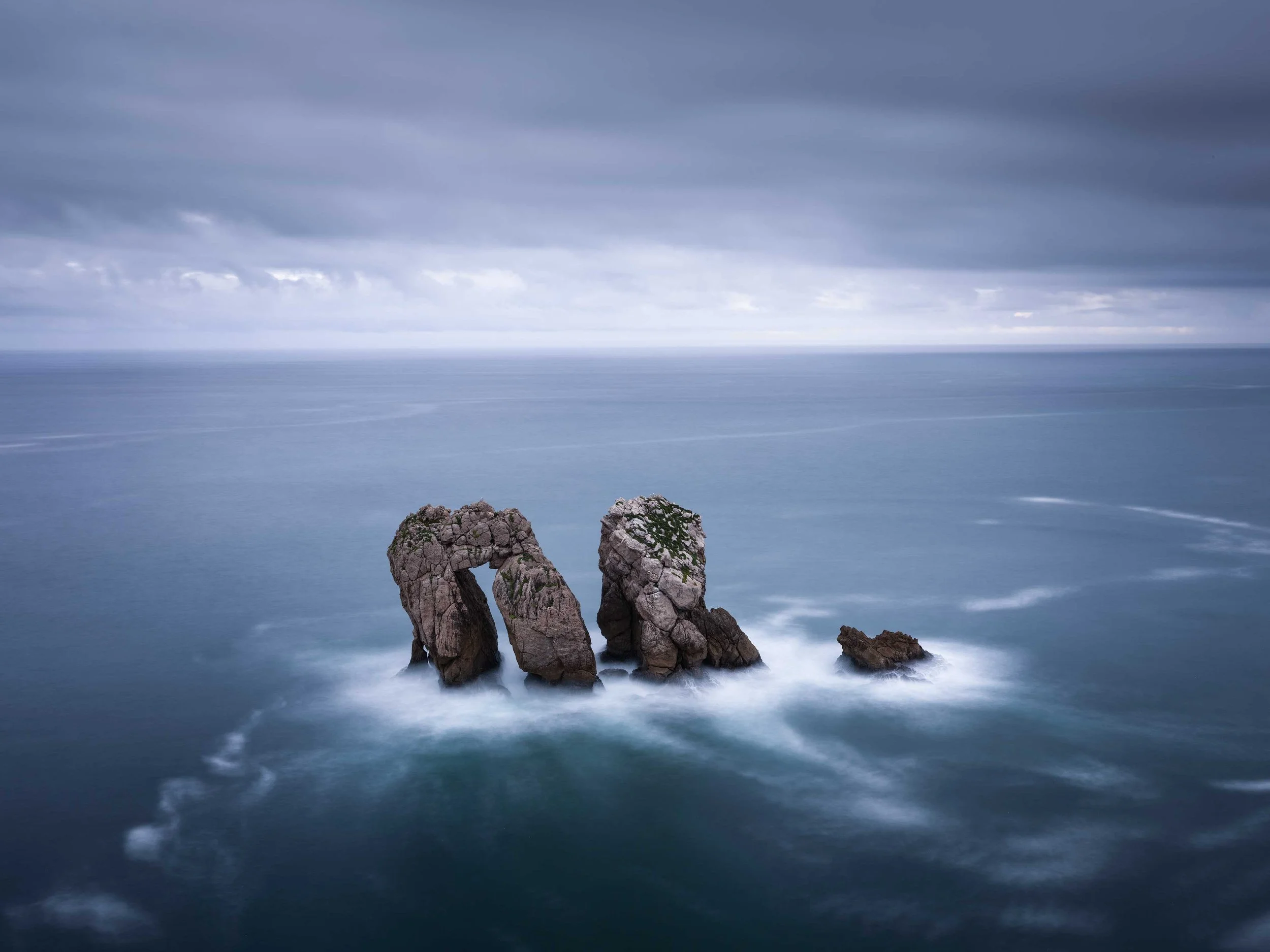
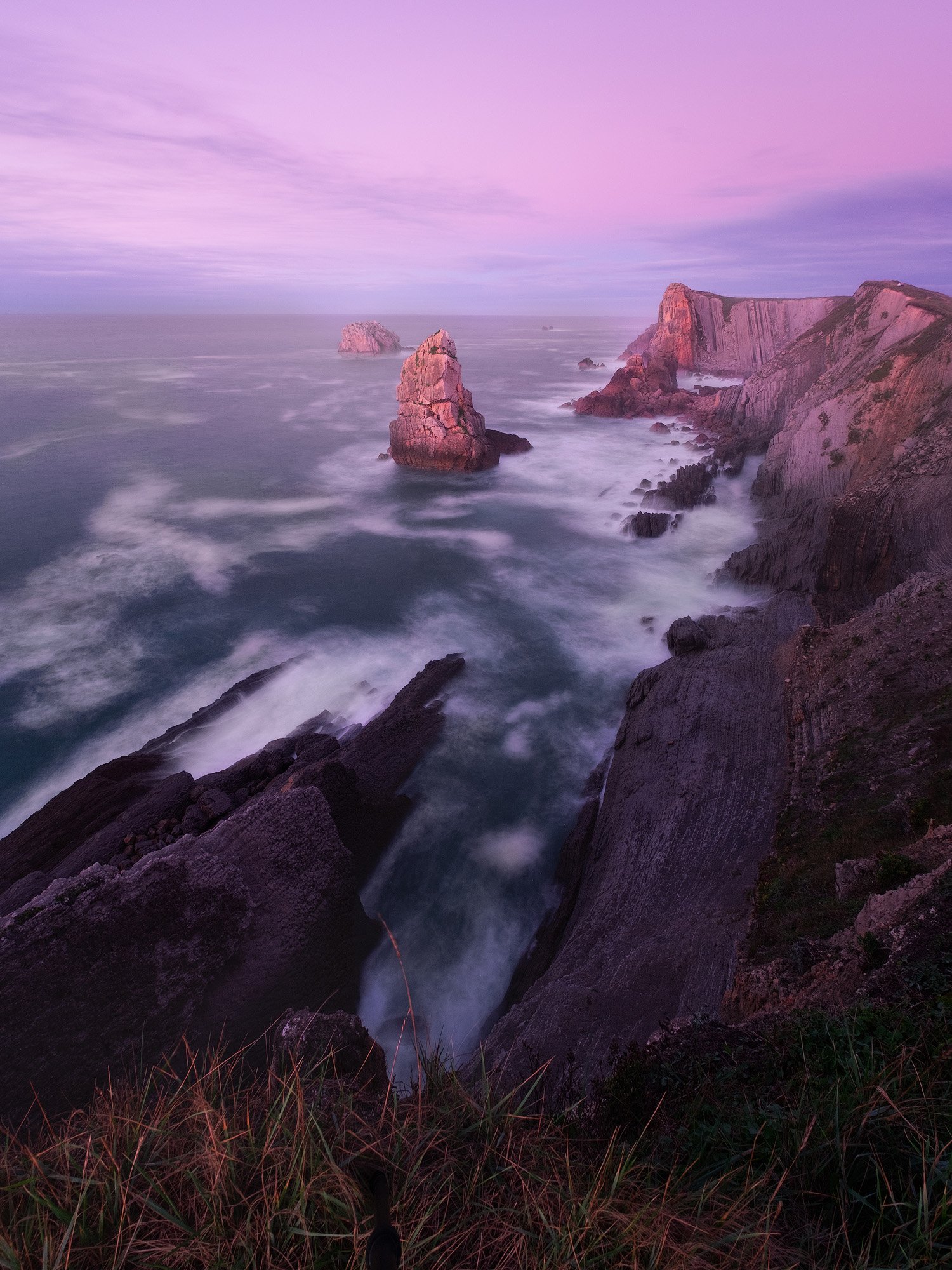
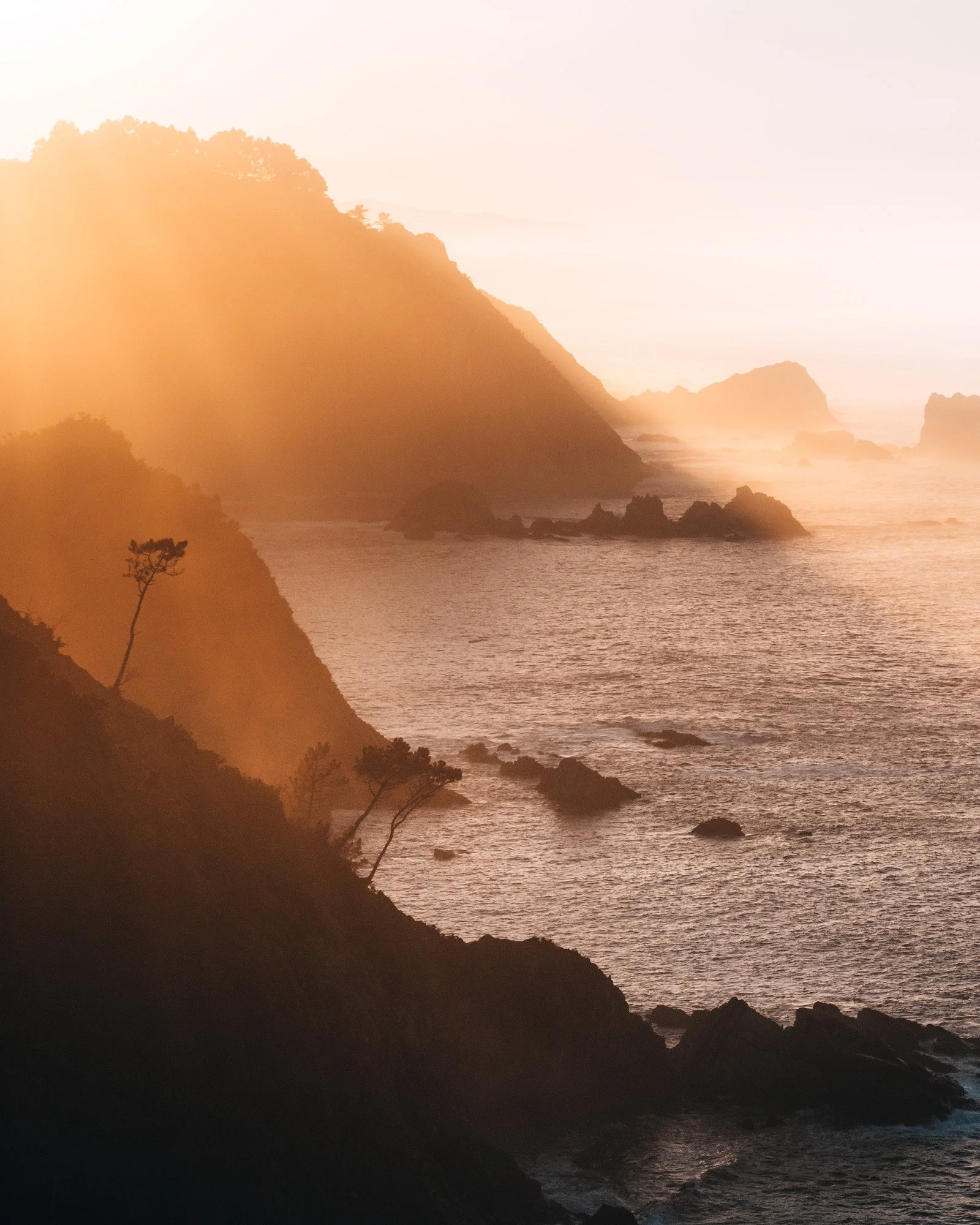
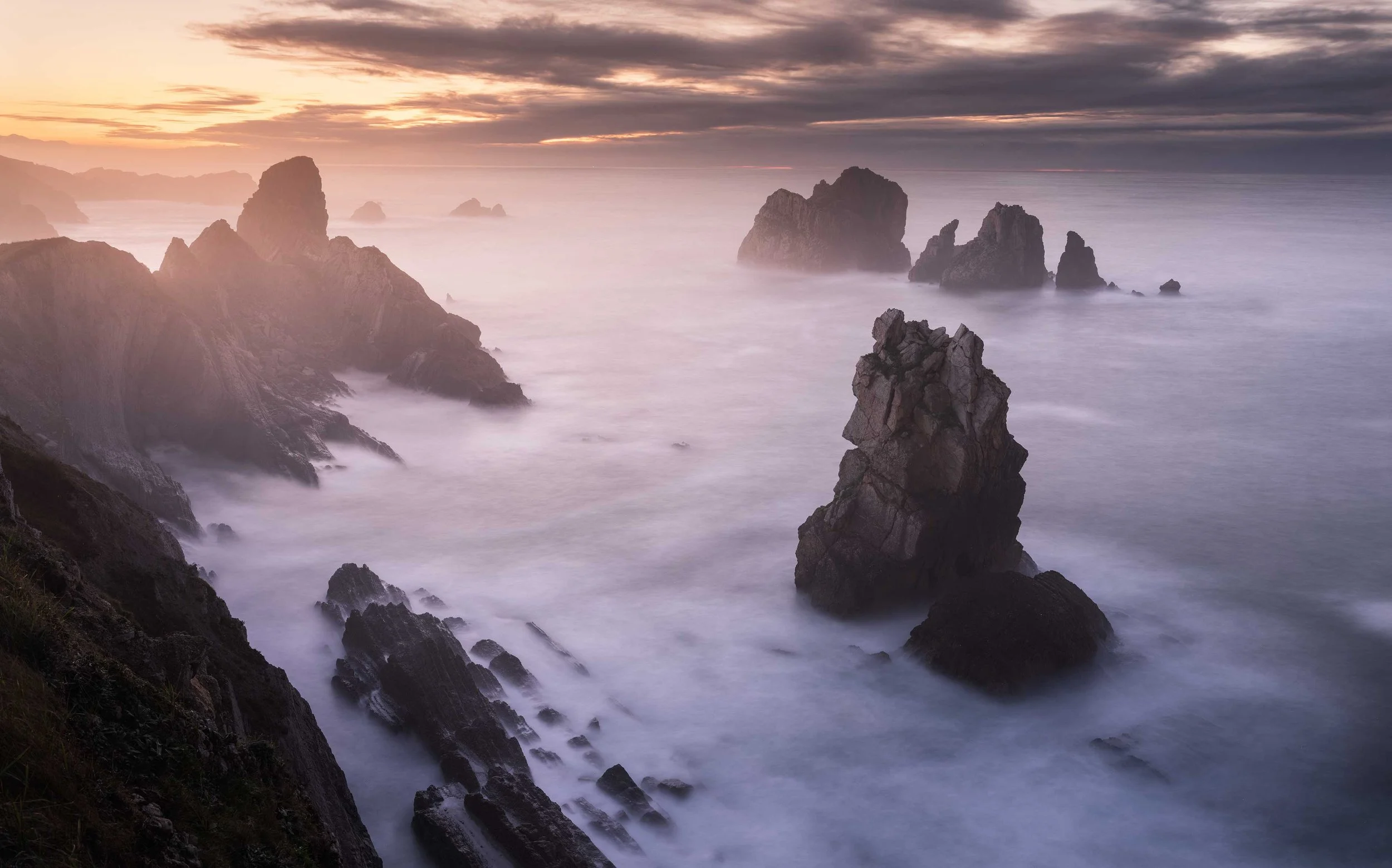
The north coast of Spain has some of the most beautiful and rugged coastline in Europe. Tree covered cliffs, sea stacks and fascinating rock formations make for an incredibly variety of different locations and ways to shoot. Some locations are from cliff tops, others at the edge of the ocean, this really is a trip will show you every aspect of photographing the ocean.
Hougaard and myself have been photographing seascapes for almost 20 years. It was where we both started out journey into landscape photography and an aspect of landscape photography that we’re both really passionate about. We’ll aim to pass on all the knowledge we’ve learned, from the technical aspects of using filters and establishing the best shutter times to use, to an understanding of how water moves and affects a photo. We’ll show you how we look at the water as a compositional element, as well as how to be safe when photographing this close to the edge of the ocean.
If you have any interest at all in capturing seascapes, this really is the workshop for you.
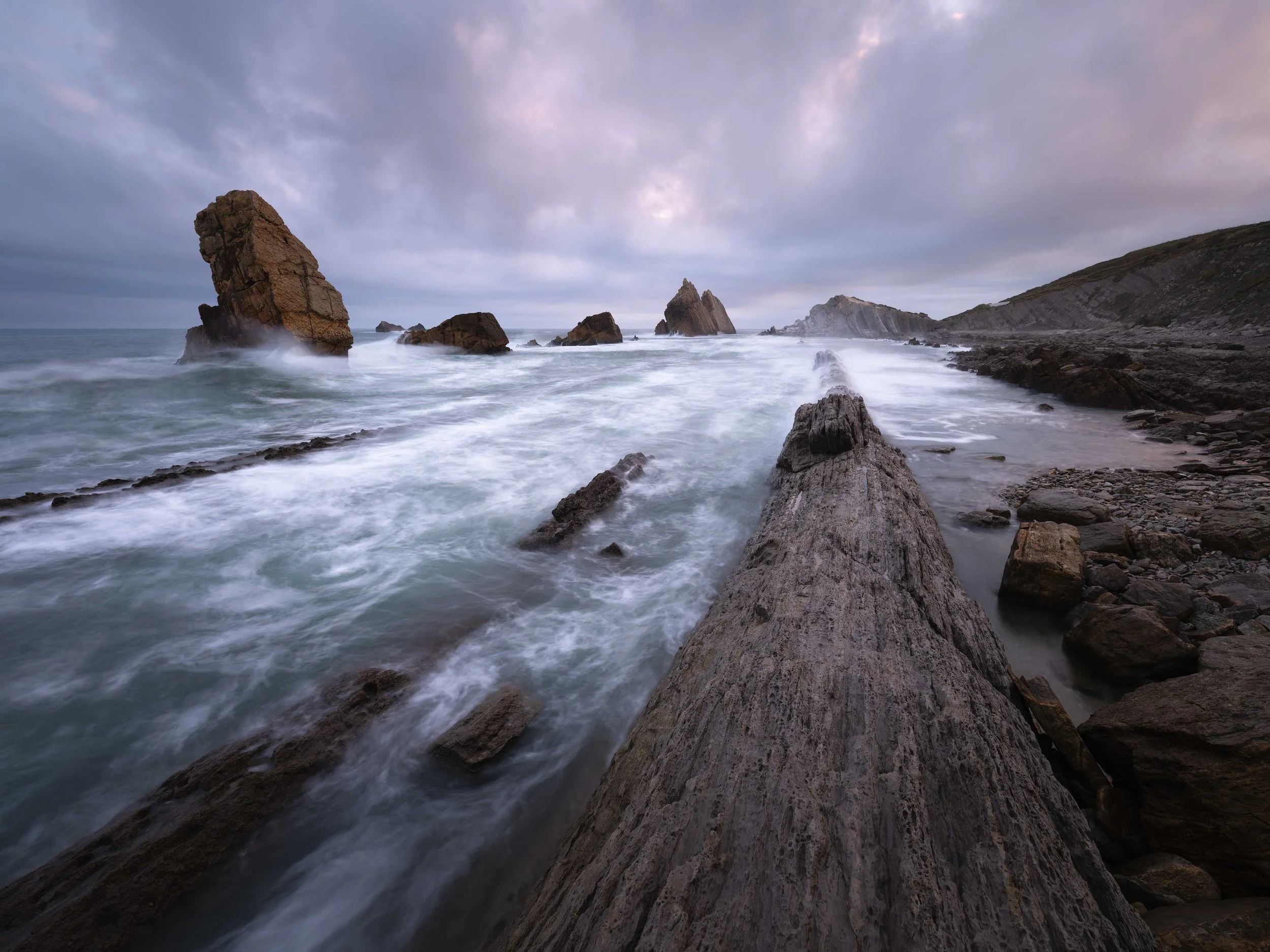
A WORD ABOUT FITNESS
We believe that the best way to experience the the coastline is often from getting close to the ocean, and while some of the locations can be shot from easy-to-reach overlooks, the majority of the locations involve getting down to the edge of the water, which requires climbing steep trails or steps to the beach, and often scrambling over rocks and very uneven and wet ground. Reaching the locations on this tour should be well within the capacity of anyone with a good level of fitness who’s used to hiking with their camera gear but it’s worth pointing out that we will be next to the Atlantic Ocean, often quite exposed, so a degree of agility is required.
The trails here are generally well maintained, although constant battering by Atlantic weather can make some of them quite muddy and slippy, and occasionally the wooden stairs down to some of the beaches can be in need of a little repair. There are also a couple of beaches that require some scrambling on loose rocks to access, and others that require walking over very rocky, uneven coastline. However, nothing here is technical, and anyone who’s used to hiking will be able to manage it easily.
On application to participate in the workshop we’ll ask you about your levels of fitness in order to make sure this is the workshop for you. If you have any doubts at all, don’t hesitate to contact me via email.
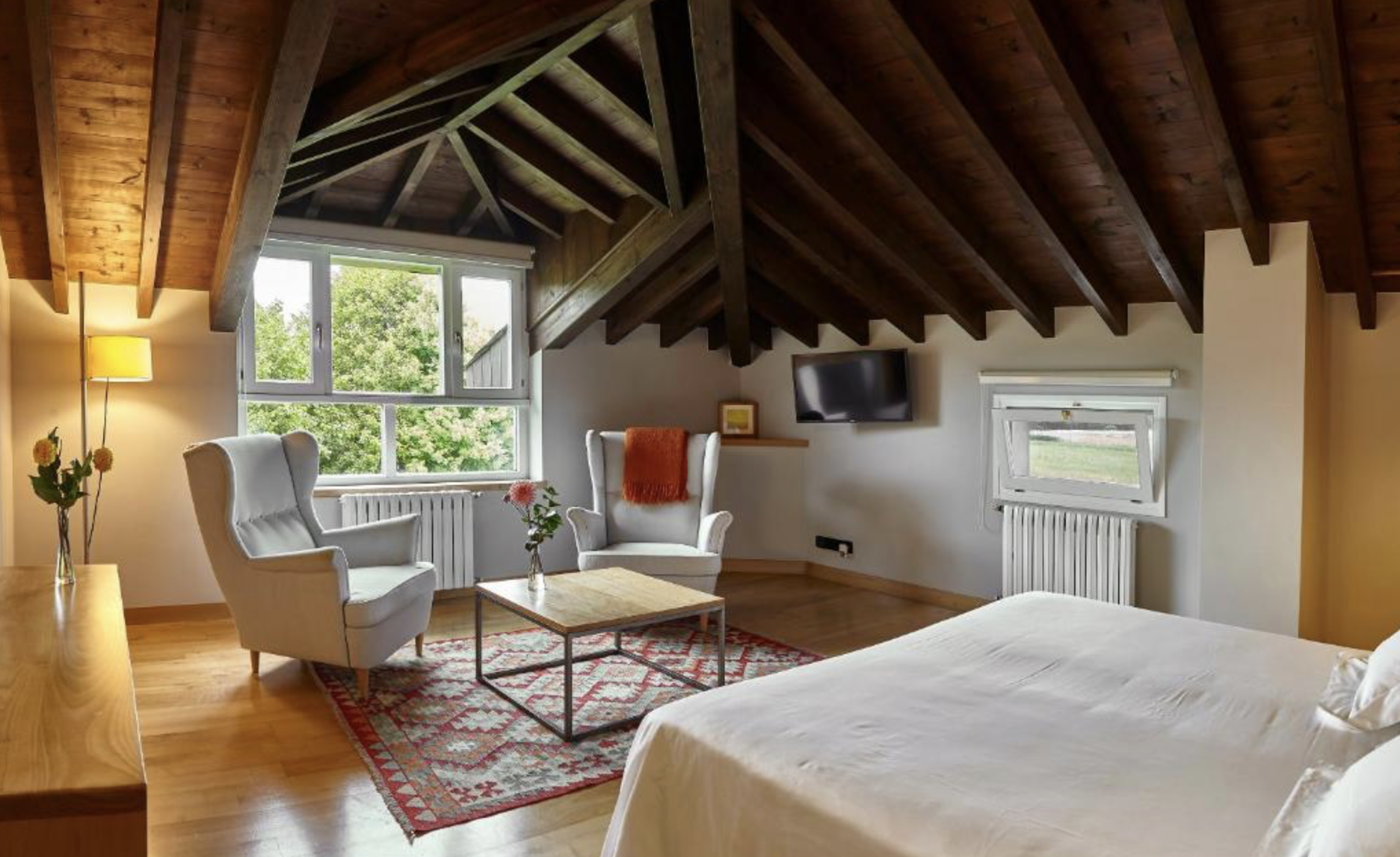
OUR ACCOMMODATIONs
One of the things we look for in our workshops is nice, comfortable accommodation where we can relax after a long day shooting. We also like to stay in smaller places that have some character and soul, and for this workshop we’ve chosen beautiful accommodations in each of our three bases, one of which in Asturias will be used exclusively for our group. Each of these places is also a very short drive from most of the shooting locations in the area, which means we can maximise our time shooting, and not spend ages sitting in vehicles driving to and from the locations, as well as have more downtime to sleep at night.
While our focus is always photography, we want every aspect of our tours to be a special experience that you’ll enjoy and remember, and we know that part of that is staying in good accommodation with good food. Also, having three nights in two of the bases means you can really settle into your room without needing to worry about packing up and leaving the next day.
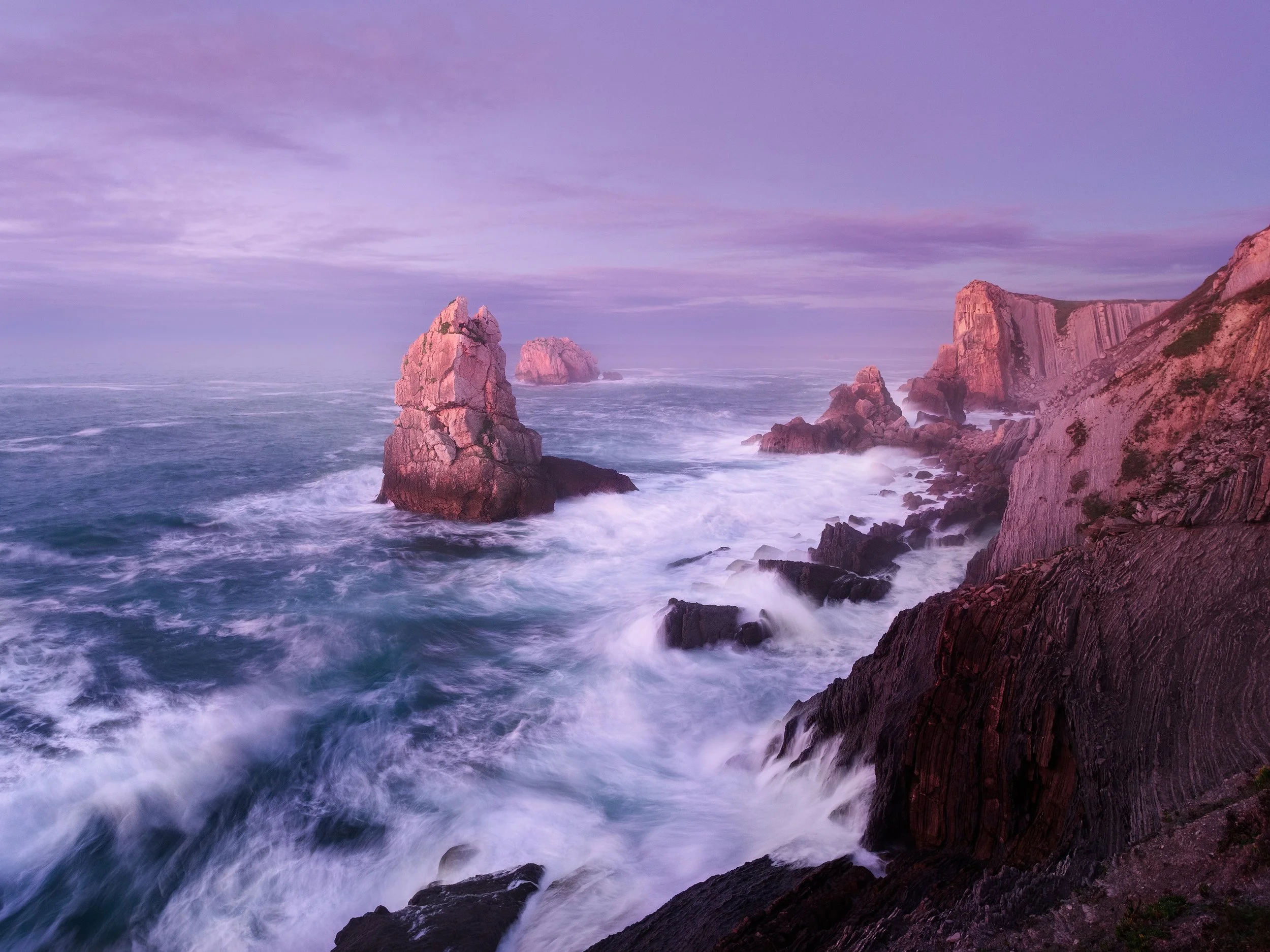
WHAT WE DO (AND WHAT WE WANT YOU TO GET FROM OUR WORKSHOPS)
OUR AIMS
Our aim is to take you to beautiful locations and give you every opportunity to get great images while improving your technique over the course of the workshop. We limit the number of participants on our workshop which gives us plenty of time with everyone in the field and from the beginning of your time with us we can identify your photographic level and what you’d like to focus on. We can then tailor the sessions to your precise needs and provide each participant with plenty of one-to-one tuition both in the field, and having multiple shooting sessions each day means that participants get into a shooting rhythm and can quickly put into practice new skills as they are learned.
LOGISTICS & PREPARATION
The coastline here is the on the infamous Bay of Biscay, well known for its storms and unpredictability. It’s the unpredictable nature of waterscape photorgraphy that can make it so rewarding, but also so challenging, and so we’ll show you how we use apps and weather forecast to predict weather and tides, and take decisions on which location to shoot accordingly. Tides are a huge part of shooting seascapes, and we’ve planned this workshop around the tide to try to maximise the locations and gives us the best chance of shooting them in their optimum conditions.
THE EXPERIENCE
Finally, we want to share with you our passion for nature and landscape photography in this incredible place. We aim to build a great learning environment where people feel comfortable together and at ease with asking questions, making the absolute most of the trip. We aim to make your experience here in the beautiful landscapes of Northern Spain a memorable one, and a trip from which, as well as getting some great images from amazing locations, you’ll also go home having had a true adventure with great company in a very special place.
Hougaard and myself have a passion for photography and a passion for teaching. We believe that good photography comes out of great experiences in nature and so our aim is to take you to beautiful inspiring places, and then equip you with the techniques and skills to make images that capture that experience and those feelings of being there.
TECHNIQUES COVERED IN THE TOUR
in the field
Understanding the light and choosing the best exposure
Composition. Balance and harmony, leading lines and creating depth.
Lens choice. From the wide-angle vista to shooting landscape abstracts with a telephoto lens
Understanding shutter times, and how long exposures affect moving water
Using neutral density filters to control shutter times
Seeing a scene
PROCESSING
Deciding which direction to take post processing according to the mood of an image
Using Lightroom to apply contrast locally
“Shaping” the light using contrast tools in Photoshop and Lightroom
Creating depth in an image
Different techniques for blending multiple exposures of the same image
Stitching multiple panoramas together
Finishing touches for processing to give images dramatic punch
Sharpening images
WHAT TO BRING
A dSLR or mirrorless camera
The criteria for the kind of work we’ll be doing is a camera that can be operated completely manually to ensure we get the best exposure with interchangeable lenses allowing us to cover a range of focal lengths
A wide angle lens
For most locations on the coast a wide angle lens really is essential if you want to get a foreground that feels like you can almost step right into it. 16mm or 17mm on a full frame camera (10mm or 12mm on an APS-C sensor camera) is ideal.
A telephoto lens
We’ll often find ourselves shooting rock stacks that are a little more distant and creating more intimate images, which a telephoto is ideal for. A range that covers 70-200mm (55-135mm on a crop sensor) is ideal.
A mid-range zoom lens
While these lenses are often the least useful for shooting landscapes, for the kind of locations we’ll be encountering on the coast there will certainly be some occasions when the zooms listed above are too wide or too long, and a mid-range zoom in the 24-70mm (18-55mm on a crop sensor) is perfect.
Tripod
We’ll often be shooting in low light and with long exposures, so a tripod is an absolutely essential piece of equipment. A lightweight carbon fibre model is ideal for this kind of trip.
Filters
A range of neutral density filters between 3 and 10 stops will help slow down the exposure to blur water.. We’ll be experimenting with different shutter speeds, from a quarter of a second up to 2 minutes, so neutral density filters are essential.
Comfortable waterproof walking boots
We’ll certainly be walking over rocky and uneven ground and we’ll also often find ourselves in muddy conditions so warm boots with good support and grip are essential.
Water and windproof shell and warm clothes
Even though it’s not winter yet it can still get pretty fresh on the coast before sunrise when the wind is blowing, and there’s also a good chance of rain, so a good rain shell will help keep you dry and comfortable while we’re out shooting. While the weather tends towards humid and not particular cold, it’s best to be prepared with a decent fleece that will fit beneath your rain shell for if it gets windy up on the cliff tops.
Camera Backpack
When moving your camera gear for any length of time a backpack can really save your back. A good backpack, one with sturdy hip straps, can safely distribute the weight of your gear and really save you from aches, pains and potential injury.
Laptop with Adobe Lightroom or Camera RAW and Photoshop
We’ll be shooting RAW, and as we’ll have at least two sessions where we look at processing images, a good RAW converter like Adobe Lightroom or Camera RAW is essential.
If you have any questions about what to bring, don’t hesitate to contact us.
The Guides
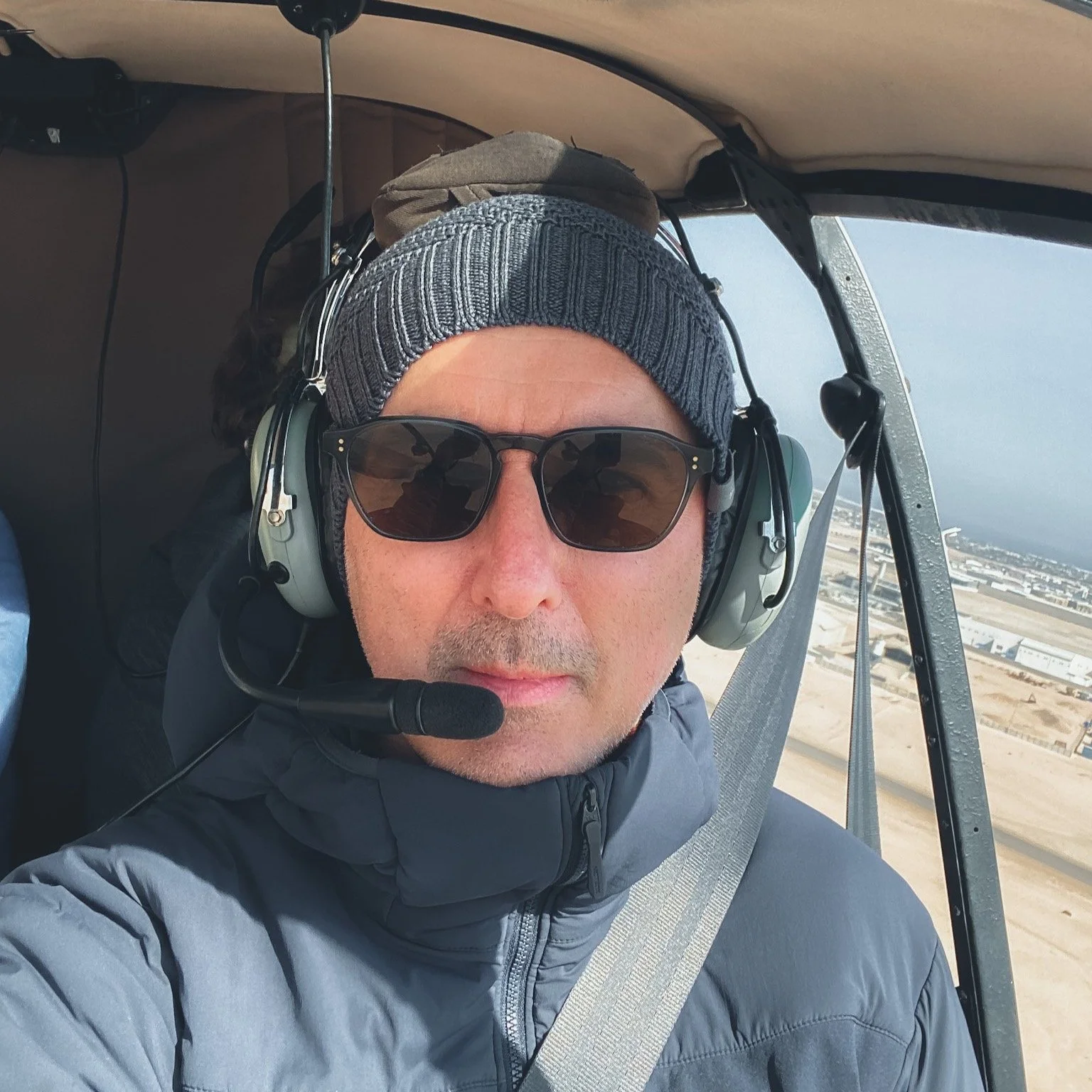
ANDY MUMFORD is a Lisbon based professional landscape and travel photographer. Andy grew up in the UK loving nature and travel and took up landscape photography over fifteen years ago. Since then he has travelled extensively photographing all over the world and his photography and articles have featured in publications and books worldwide. He is a passionate photographer teacher and has been leading both group and one-to-one workshops for over five years.
Andy believes that the core of all good landscape photography comes from experiences where we connect deeply with nature, where the landscape fills us with a sense of wonder and awe, and has spent the last twenty years chasing those moments.
He is a Fuji X Photographer and a brand ambassador for Fujifilm in Portugal, although he also has extensive experience with Nikon and Canon cameras.

Hougaard Malan is an award winning South African photographer who has been guiding and organising photo tours to Nambia for a decade. He has taken people from every corner of the planet to every corner of Namibia. His own photos of Namibia have won him awards like the 2016 International Landscape Photograph of the Year and his clients have also won numerous awards with the photos captured on his tours. All the images on this page were captured by Hougaard.
Hougaard believes the essence of a landscape photograph is allowing the viewer to experience that place without ever being there. When the light, clouds and land combine to produce scenes so beautiful that they etch a profound place in viewers’ memories, and witnessing such moments unfold over earth’s most beautiful landscapes is, for me, one of the highlights of living.
Hougaard’s work has been published in countless media all over the world, from books and magazines to calendars and coffee table books by the likes of National Geographic. Licensing and commission clients include global and local corporates like Samsung, Toyota, SAB Inbev, FNB, Standard Bank and Europcar.
REGISTRATION
To register for the workshop we require a deposit of €2000. Please complete the form below for more information.